

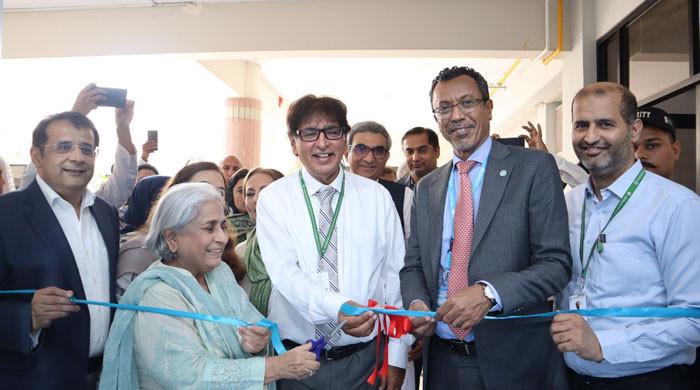
Pakistan celebrated the launch of its inaugural Human Milk Bank and Early Childhood Center in Korangi, Karachi, spearheaded by Sindh Health Minister Dr. Azra Pechuho. This facility, developed in partnership with UNICEF and adhering to Shariah principles, aims to support infants who cannot be breastfed by their mothers for various reasons.

The inauguration of Sindh’s first Mother’s Milk Bank, established in collaboration with UNICEF, marks a significant milestone in maternal health. This facility aims to support mothers who cannot breastfeed most likely due to medical reasons and therefore cannot provide their newborn with the vital benefits of human milk, known for its immunity-boosting and health-enhancing properties. However, it is equally crucial to educate society on the operations of a Human Milk Bank – the furst in Pakistan, to alleviate concerns and misconceptions.
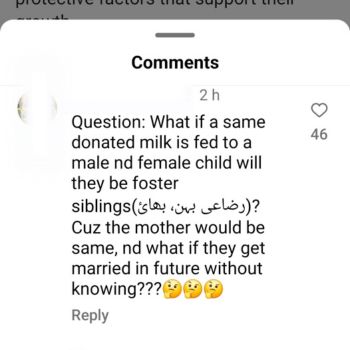
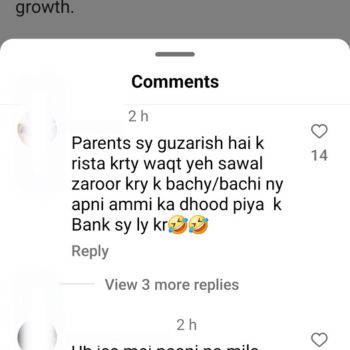
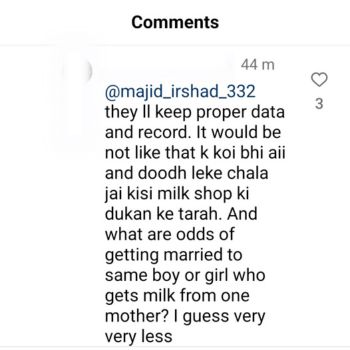
Netizens have raised concerns about the potential for “doodh shareek” siblings unknowingly marrying each other later in life, but these issues can be mitigated with strict rules, regulations, and confidential donation histories. Additionally, as some netizens have noted, feeding infants milk from various donors can further reduce this risk. The presenve of a milk bank in the city can also help address serious health challenges, such as diarrhoea and waterborne diseases in formula-fed infants, which often stem from a lack of access to clean water when preparing an infant’s milk at home.
This Is What Netizens Fear Could Occur

It must be noted that formula milk is costly for the average Pakistani mother, making the milk bank a financially viable alternative. Given the collaboration with UNICEF, there is hope that the facility will maintain the highest standards of hygiene, meticulous record-keeping, and provide low-cost or free options for mothers who cannot nurse. Selling breastmilk under proper monitoring can also be beneficial for young mothers. Extensive research supports the myriad health benefits of breastmilk for infants, making this initiative a promising development for improving infant health in Pakistan.
Notes from WHO on benefits of Breastfeeding: Pakistan stands at 18% for “Early initiation of breastfeeding” and only 37.7% of mothers practise “exclusive breastfeeding for 6 months”. Statistics suggested that 44 per cent of Pakistani children are stunted (lower height for age, having poor cognition and other development milestones). Compliance to early initiation of breastfeeding; exclusive breastfeeding and complimentary breastfeeding for 2 years could significantly reduce stunting in Pakistan.Moreover, evidence shows that breastfeeding has cognitive and health benefits for both infants and their mothers. Children who are exclusively breastfed for the first 6 months of life are 14 times more likely to survive than non-breastfed children. It also helps prevent diarrhoea and pneumonia which are major causes of death in infants. Mothers who breastfeed have a reduced risk of ovarian and breast cancer, 2 leading causes of death among women.
For more information on benefits of breastfeeding, click here.
This is a developing story, and we will try to gather more information on how this Human Milk Bank will operate in the future!

