

Prince Andrew’s name has once again found its way into global headlines. The release of Nobody’s Girl — the posthumous memoir of Virginia Giuffre — and a fresh U.S. investigation into Jeffrey Epstein’s network have revived one of the most unsettling stories of modern royal history. Giuffre’s book, written before her tragic death earlier this year, details her years of abuse under Epstein and the powerful men who moved within his circle. Among them: Britain’s Prince Andrew.
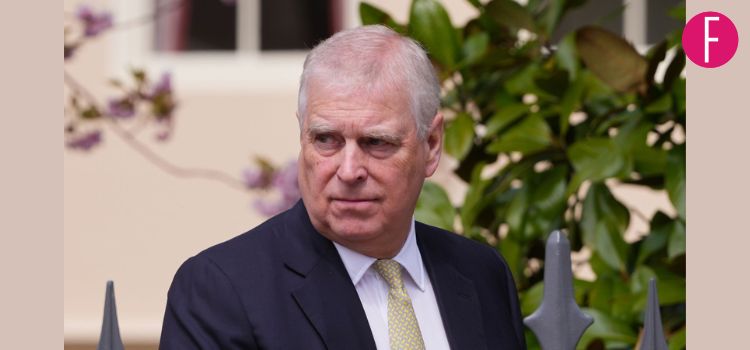
The Epstein Web
Jeffrey Epstein’s name has become shorthand for the abuse of power. A financier and convicted sex offender, he operated a trafficking network that allegedly spanned decades, drawing in businessmen, politicians, and celebrities. His “black book” of contacts and flight logs — infamously featuring names of high-profile figures from around the world — continues to cast a long shadow, even years after his death in 2019 while awaiting trial for sex trafficking charges.
The so-called “Epstein list” has never been officially confirmed in full, but court unsealings and leaked records have repeatedly tied him to a web of elite connections — from former U.S. presidents and royal family members to Wall Street executives and Hollywood insiders. While not all names imply guilt, they underline how normalized Epstein’s presence was in powerful circles.
The Prince and the Accusation
Prince Andrew’s association with Epstein began in the late 1990s, reportedly through Ghislaine Maxwell, Epstein’s close companion and now a convicted sex trafficker serving a 20-year prison sentence. What began as a social friendship soon became a liability for the British royal family.
Virginia Giuffre, who was among Epstein’s most vocal accusers, alleged that she was trafficked to have sex with Prince Andrew on three occasions when she was a teenager. The claims were supported by widely circulated photos showing Andrew with his arm around her, alongside Maxwell. The Prince has consistently denied all allegations, insisting that he has “no recollection” of ever meeting Giuffre — a statement that became infamous after his 2019 BBC interview, where his explanations (including the now-notorious claim of being unable to sweat) were met with disbelief and outrage.
In 2022, Andrew reached an out-of-court financial settlement with Giuffre, reportedly worth millions, while maintaining his innocence. The agreement ended the civil case, but it did not end public scrutiny.
The Memoir and the Fallout
Now, with Giuffre’s memoir published, her story is being told in her own words — unfiltered, emotional, and devastating. Her co-author, Amy Wallace, says Giuffre wanted to expose the scale of exploitation and the silence that protected it. The book revisits her alleged encounters with Andrew and other powerful figures, painting a grim picture of complicity and denial.
For the royal family, this resurgence of attention comes at a fragile moment. In the years since the Queen’s death, King Charles has worked to streamline the monarchy’s image — one rooted in service, restraint, and distance from scandal. Andrew, however, remains the outlier. He has already been stripped of his military titles, royal patronages, and public duties. Most recently, he agreed to stop using his title as the Duke of York — a symbolic step that many see as long overdue. Yet he still resides at Royal Lodge, a privilege that continues to raise eyebrows. Reports suggest that the royal family has been urging him to leave, signaling an unspoken attempt to finally draw the curtain on his public role.
Reports also suggest that King Charles and senior royals have repeatedly asked Prince Andrew to vacate Royal Lodge — the 30-room mansion he shares with his ex-wife Sarah Ferguson — but he has refused to move. Short of physically removing him, there is little the Palace can do, though increasing public and political pressure may force their hand.
British Prime Minister Keir Starmer and several MPs have also called for greater scrutiny into Andrew’s royal privileges and financial arrangements, questioning whether taxpayers should continue funding aspects of his lifestyle.
Andrew, who retains his title as “Prince” but not as the “Duke of York,” has reportedly not entered the United States since Epstein’s arrest in 2019. While there is no formal travel ban, his potential re-entry could reopen legal scrutiny amid ongoing U.S. investigations tied to Epstein’s trafficking network.
The Next Reckoning
With a U.S. congressional committee now planning to invite Andrew to provide evidence in the renewed Epstein investigation, pressure is mounting. Legally, he cannot be forced to testify — but morally, the expectation is clear. British politicians and victims’ advocates alike have called on him to cooperate if he has “nothing to hide.”
The Epstein saga remains a Pandora’s box — one that touches the powerful across borders and institutions. Each revelation reopens old wounds and exposes how much remains hidden beneath layers of privilege and influence.
For Prince Andrew, the path ahead is narrow. He can no longer outrun the past, nor can the palace fully shield him from it. As Giuffre’s words echo through her memoir and new investigations resurface, the question lingers: how long can silence hold when truth keeps demanding to be heard?
Sources: BBC, Geo News, The Guardian, USA Today


Comments 2