

On 30 October 2025, King Charles III announced that he had formally initiated the process to remove the style, titles and honours of his younger brother, Prince Andrew.
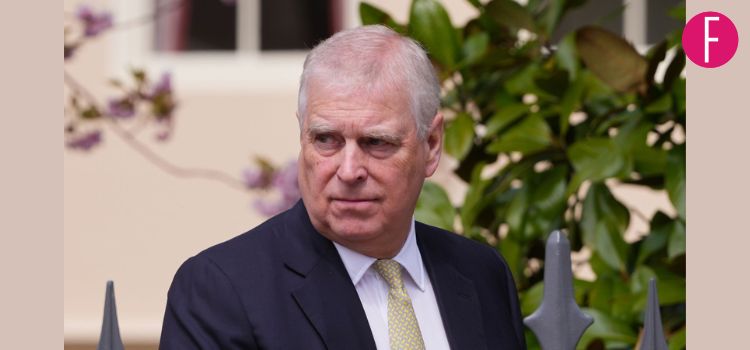
According to the statement issued by the royal household, Andrew will no longer use the titles “Prince” or “His Royal Highness”, and shall henceforth be known as Andrew Mountbatten Windsor.
The decision also extends to the revocation of his remaining peerage titles – including the dukedom of York, the earldom of Inverness and the barony of Killyleagh – and his honours, such as membership of the Order of the Garter and the Royal Victorian Order. Additionally, Andrew has been formally ordered to surrender his 30‑room lease of the Royal Lodge on the Windsor estate, with notice served to vacate and relocate to privately‑funded accommodation.
The move follows years of mounting scrutiny over Andrew’s relationship with the late financier Jeffrey Epstein – convicted of sex offences – and resurfaced allegations by Virginia Giuffre, who claimed sexual misconduct by Andrew when she was a teenager. Andrew has consistently denied the accusations.
Earlier this month (17 October 2025), Andrew announced after discussions with the King that he would no longer use his peerage titles – including the Duke of York – or honours such as his knighthoods, on the grounds that continued accusations against him were a “distraction to the work of His Majesty and the Royal Family.” Nonetheless, he technically retained his dukedom and prince status unless formally removed by Parliament.
Andrew had already stepped back from public royal duties in 2019, but this formal removal of titles and privileges represents the final separation from official royal life. The palace emphasized that the action was taken with sympathy for victims of abuse and as part of the King’s commitment to uphold the integrity of the royal institution.
Legally and constitutionally, removing a style such as “His Royal Highness” and stripping titles tied to peerages and royal honours is highly unusual in modern British history. The move signals a significant moment of accountability within the monarchy – demonstrating that even a senior royal can have privileges withdrawn when public confidence in the institution is at stake.
In the palace statement, it was emphasised that the action was “deemed necessary, notwithstanding the fact that he continues to deny the allegations against him.” The statement also expressed the King’s and Queen’s “utmost sympathies… with the victims and survivors of any and all forms of abuse.”
For Andrew, the implications are momentous: he loses his status as a working senior royal, his remaining military titles and patronages are voided, and he must fund his own residence and security arrangements. For the monarchy, the King’s move signals a clear red line: even senior family members will be subject to consequences when public confidence is at stake.
This marks one of the most significant disciplinary interventions within the modern British royal family. Whether it will fully restore public confidence or merely shore up the institution’s reputation remains to be seen.
This is a developing story.
Sources: BBC, Pakistan Today, and Al Jazeera.

