

Ramzan transmissions in Pakistan have become a staple of the holy month, dominating television screens with a plethora of programs ranging from spiritual discussions during Suhoor and Iftar to lively game shows post-Iftar.
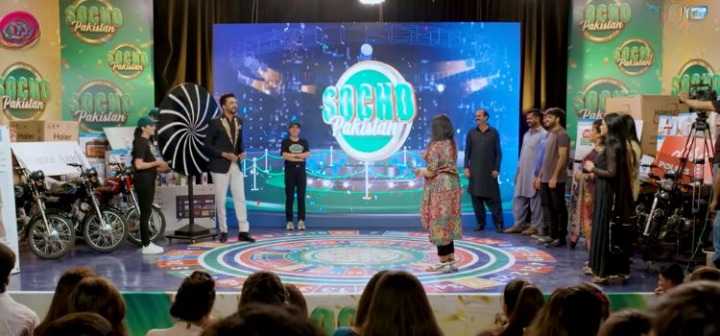
While these transmissions are anticipated by many as a source of entertainment and religious enlightenment, there’s a growing debate over whether they are truly a blessing or a curse. Are these transmissions fostering a deeper connection to spirituality and community, or are they inadvertently promoting values inconsistent with the essence of Ramzan?
Amidst the ongoing Ramzan transmissions frenzy, notable figures Mishi Khan and Omair Rana have sparked a discourse on these elements. Both personalities, known for their candid opinions, have raised pertinent questions about the content aired during this sacred month.
Mishi Khan On Having Children On Ramzan Transmissions
In a recent development on his Ramzan show, Waseem Badami welcomed Shiraz, the popular vlogger behind the Shirazi Village vlogs YouTube channel, to join the line up of children making appearances on the program. This move came after the addition of viral sensation Ahmad Shah and his charming brothers to the show, garnering widespread attention.
Mishi Khan, expressing her thoughts on the matter, took to Instagram to voice her concerns.
“Why why why?” Mishi began in her caption alongside a video on Instagram. “Why did you have to book Shiraz for the Ramazan transmission and take away his organic sweet innocence? Before it was Ahmad Shah who sounds like an adult now only because of the bad city environment. Please leave the children alone and don’t take away their innocence for God’s sake,” Mishi requested.
She continued, “First, you ruined Ahmad Shah’s innocence and turned him into a city adult. You steal their childhood. What was the need? He was already famous due to his hard work. Like hawks, you have swooped in. The timing must be absurd. He’s a kid. He needs sleep. He must be awake at Sehri time and Iftari time to take part in the transmission the entire month. At least spare someone. Let someone stay organic and innocent. You bring them to cities and start your absurdities. I’m truly saddened.”
She raises a valid concern: are we robbing these young stars, like Ahmad Shah and Shiraz, of their innocence by thrusting them into the unforgiving spotlight of media attention?
In the midst of this discourse, Waseem Badami’s assurances about the well-being of the children featured in these transmissions offer a glimmer of reassurance. But are these assurances enough? It begs the question: do parents truly comprehend the full extent of what they’re pushing their children into? Are they aware of the potential consequences of subjecting their young ones to the rigors of the media circus?
As we ponder these questions, it’s impossible to ignore the potential ramifications of having children front and center in Ramzan transmissions. Are they truly necessary, or are they merely being used as pawns in a game of ratings and popularity? While their presence may add an element of innocence and charm to the shows, are we inadvertently exposing them to a world they may not be ready for?
Moreover, what about the long-term effects? The relentless schedule, the pressure to perform, and the scrutiny of the public eye can take a toll on even the most resilient of adults, let alone impressionable children. Are we sacrificing their childhoods in pursuit of fleeting fame and fortune?
Omair Rana On Game Shows
Renowned Pakistani actor Omair Rana, celebrated for his roles in popular television dramas recently raised concerns about the content broadcasted during the holy month of Ramazan. Specifically, he aimed at game shows, criticizing them for promoting values that contradict the month’s essence.
During an interview on a YouTube talk show, Omair expressed his dissatisfaction with Ramzan game shows, stating, “I do have a distasteful aftertaste of the game shows or certain things about the game shows that have happened in Ramazan.”
Exploring the nature of the content further, he articulated, “I think we have pushed a little anti-Ramazan spirit in those. That used to pinch me that don’t do this. That we should not encourage gluttony and greed, instead, we should talk about humility and empathy.”
Rana’s critique of Ramzan game shows echoes the concerns of many who question sensationalism and commercialism’s impact on the month’s sanctity. Indeed, as game shows compete for ratings, the line between entertainment and exploitation becomes increasingly blurred.
Yet, as the numbers of viewers swell, so does the lineup of contestants willing to endure humiliating games for a chance at a mere Rs 5,000 coupon or the fleeting hope of winning a car. While game shows can serve as harmless entertainment, they perpetuate a culture of superficiality and materialism when executed poorly.
Game shows, when executed with integrity and sensitivity, can serve as a platform for meaningful dialogue and engagement. They can foster a sense of community and solidarity, bringing people together in the spirit of fellowship and goodwill.
While it’s understandable that people seek lighter content after breaking their fasts, and also that these game shows reach a record number of households comprising family viewership, should our standards of behavior change accordingly? Instead of lavish giveaways, why not redirect those resources towards initiatives that truly make a difference, such as providing wheelchairs to the needy or supporting small-scale charity projects in underdeveloped areas?
In fact, the mere fact that these shows are mass-watched across a wide strata of society makes it even more critical that content is curated for responsibility and overboard sensationalism.
Moreover, in a month dedicated to spiritual growth, why not foster discussions on tolerance and conflict resolution, tackling religious issues with nuance and compassion? Imagine the impact of highlighting and rewarding youth leaders engaged in societal upliftment, shedding light on issues like domestic violence and mental health.
By prioritizing flashy giveaways and sensationalism, are we inadvertently pushing critical discussions and the plight of the marginalized further into the shadows? It’s a sobering reflection on the values we uphold during this sacred month, and a reminder to channel our resources and attention toward uplifting the most vulnerable among us, rather than merely indulging in superficial pursuits of fame and fortune.

