

If hand-drawn animation had a first in Pakistan, one couldn’t have dreamed of a better project to kick-start the proceedings. But what intrigues is not just the visuals. The Glassworker is a story all on its own, and one wonders if, perhaps, the full impact of the narrative might have been lost in the sketches that stretched across the cinema screen like a color-filled canvas, such was the pull of the movie that both narrative and visuals competed for a place in the final applause! Do you get what I mean? The Glassworker had everything going for it!

As the movie began, I wondered if it was even fair to review a story that was simply a visual treat. Do bear in mind that as a Pakistani, the sense of pride was overwhelming; for once, I did not have to apologize to my children to “bear with me” because we’re watching a Pakistani movie! From drawing board to onscreen representation, each character carried a character of its own. Aliz with her wispy tresses, Vincent with his forlorn expressions, Tomas Oliver, stoic at times and sad at others.
A Screenplay Walking Us Through The Glass-making Process
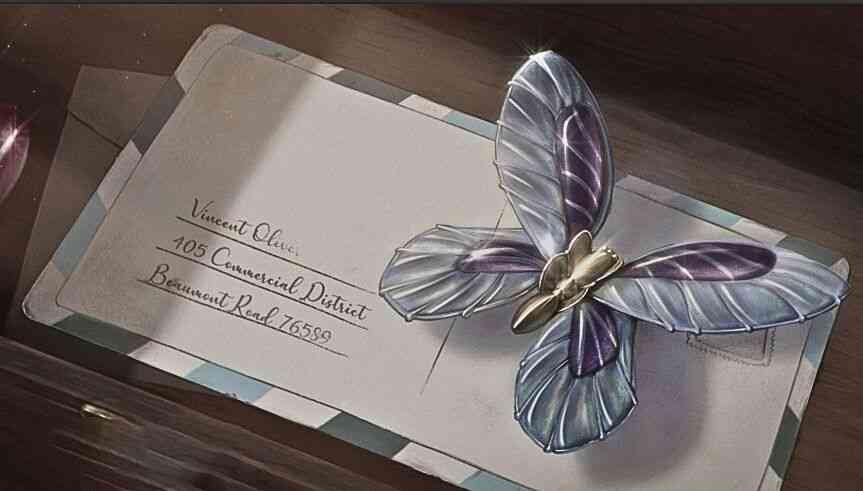
But that’s not all, The Glassworker themed it just right for a hand-drawn Pakistani first. The screenplay walking us through the glass-making process was perhaps, a clever way to hit the aesthetic highs as glittering grains of sand and magically blown glass pieces captivated viewers, pulling them into finely detailed visuals of a process that’s as old as time itself, yet, takes on a charm of its own when depicted onscreen with all the elements in perfect harmony; colors, shapes, and the translucent, intangible aesthetics of glassmaking came together to score a visual win. The shapes, from the flower encased glass Vincent makes for Aliz the first time, to the magically lit butterfly, added a sense of wonder to the frames – precisely, I assume, the effect sought by creators, the glassmaking process lulling audiences into a sense of time standing still, another worldly calmness.
But then comes the story.
A Sensitive Narrative
Set against this ethereal beauty of a hand-drawn production is the ugly face of war – a bitter truth generations have had to engage with, despite not wanting to. And here, the narrative did not hold back in holding up the mirror to the unfortunate collateral damage sustained by war – the innocent who suffer in times of war. It was in these hand-picked phrases, like hand-drawn characters, that the narrative built a story. Tomas Oliver suffered the most perhaps, an innocent casualty of war.
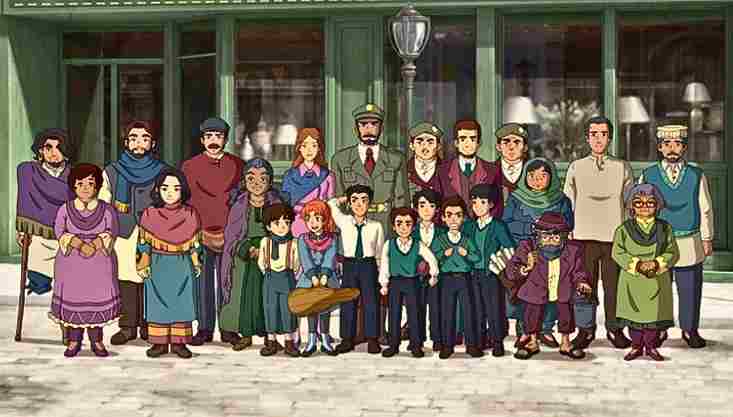
Vincent perhaps, got pulled in reluctantly, not as tame as his father though, he essayed the manifestation of a human being who just wanted to live his life, but had to face the harsh reality that war spares no one – for some, the battle is silent, like Tomas Oliver, for others, it is one that unexpectedly and shockingly reveals a side of ourselves we might never have seen – angry, raging, despondent, helpless and yes, lashing out at man-made tragedy for the misery inflicted by war upon the personal lives of humans who want to have nothing to do with it.
The Glassworker was not without its social commentary, layered with subtle hints, pointing at a deeper, political message. Vincent hurls the lovingly hand-blown “Markhor” – (a symbol recognizable by many in the region) into the fire, casting his anger at the proponents of war who had snatched his beloved from him. Aliz creates a composition all on her own, heeding Vincent’s claim that only those who can create something from scratch are true artists – one couldn’t help but wonder if the creator, a director, composer, musician, himself was plagued by the same question for the past 10 years as he labored over his labor of love – The Glassworker.
A Mix Of European Backdrops
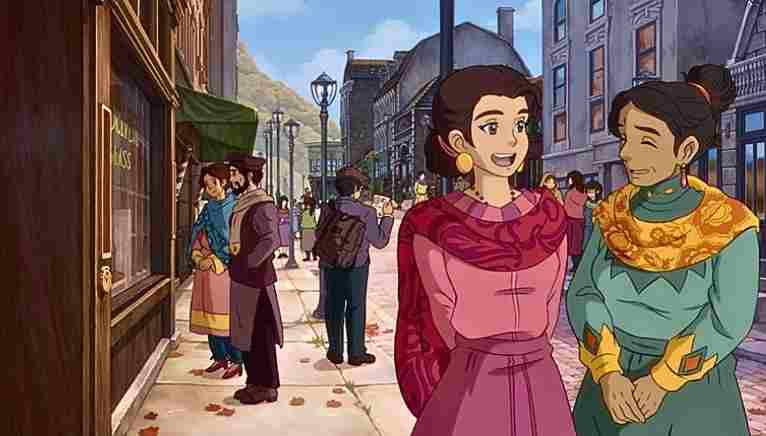
The storytelling, a mix of European feel backdrops scattered with recognizable Pakistani landmarks, chai drinking characters who wouldn’t let a piping hot gulab jamun wrapped in paper slip by, allowed the makers to play with themes, narratives, costumes and a universal message about the brutality of war that didn’t need to point the finger at any one in particular, yet left no one totally innocent of the responsibility they had in perpetrating it.
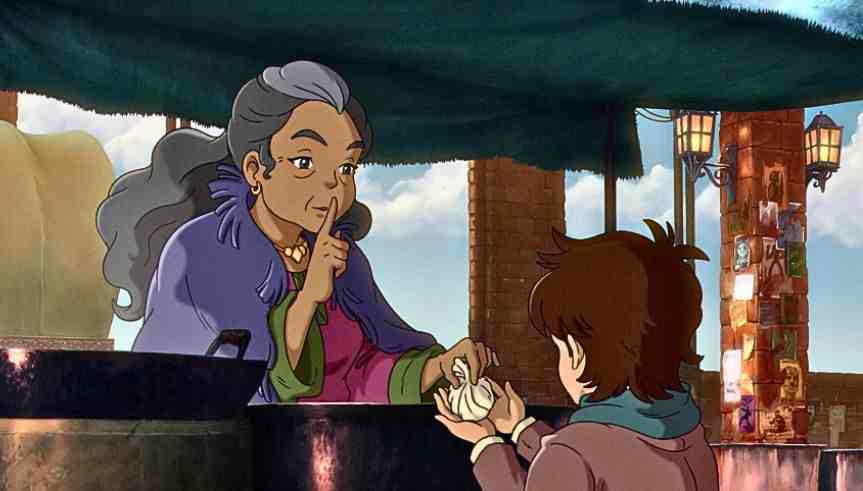
It was perhaps in the filmy feels of the story that The Glassworker ultimately added emotion to the script which could have passed off as a regular animated version. Not just that, but the story of the Jin woven into the narrative pushed it a tad further as the tale rounded off with a flourish that came full circle, almost as if the storyteller had marked off the start and finish with a finely tuned dramatic flair. All the chapters of the story interlinked to deliver a magical moment, bringing together Art, the artist, the storyteller, fantasy and a hint of the real, wrapped neatly into one ending.
Was the ending open ended? Questioned some viewers. Not for this viewer who felt the ending tied up neatly with Vincent and Aliz happily ever after in a land they both secretly inhabit between them.
Visually Appealing
There were some scenes that must be mentioned for visual aesthetics; Tomas Oliver’s hand tearing off, the butterfly resting on Aliz’s hair in the final scene as well as the entire glassmaking process from start to finish that left one mesmerized every time it was replayed. Every scene gave a sense of attention to detail that revealed the hard work and passion that lay behind the carefully worked illustrations and animation.
The conversation between Aliz and Vincent as they took refuge during an air strike was particularly impactful. It was relatable, raw and revealed a childlike innocence in the way they both unpacked their personal grievances amidst a climate wrought with fear, uncertainty and tragedy – an unforgiving truth that war brings to every living being who has lived through one.
The movie continued to educate viewers on the making of, the behind the scenes and the process from idea to storyboard and beyond, which makes such an initiative possible. Introducing the team onscreen at the onset, before the start of the movie was a great way to meet and greet the faces behind an animated project and also educate a first-time audience on the mechanics of hand drawn projects.
Perhaps The Biggest Win Was The Urdu Dubbing
The voice-overs are done to perfection, with accents that marked a period movie. However, and here I feel the need to mention that the tones at times needed a bit more expression to deliver the intensity of certain critical moments in the screenplay. Moreover, narrative wise, while all characters came together to give a well-knitted story, Malik’s character and the heroic angle to his deeds failed to make much impact. Neither did Aliz’s heart-wrenching love for Vincent – it needed more believability so that the final scene, albeit executed with visual finesse, made more impact on the viewer.
Because of these misses in the fleshing out of certain characters and the resultant love story, the real hero of The Glassworker turned out to be, interestingly, (and perhaps by design?), Tomas Oliver, whose journey was both heartfelt and truly moving. His character, well fleshed out, sent out goals and in fact, overwhelmed audiences’ emotions due to its earnestness and old world values exemplifying a father-son bond that was both endearing and relatable.
Finally, if one were to seek the single most significant takeaway from The Glassworker, it was in walking out of the theatre, knowing that hand-drawn animation just took a giant leap forward in Pakistan. The project set itself apart by showing creators how to do it differently instead of following the crowd, how to keep the faith in one’s ideas and believe, just like Vincent, that a work of Art is a gift not only for the artist who makes it, but also, a tribute to the receiver, in this case, the Pakistani audiences who can now own The Glassworker as their very own, just like Vincent’s butterfly – ethereal, magical and oh so beautiful.
Catch The Trailer Of Glassworker Here!
Watch The Glassworker if you haven’t already and do go for the Urdu dubbed version – a pleasant surprise in a world full of English voice-overs!
Mano Animation Studios produced The Glassworker, a 2024 Pakistani animated film. Usman Riaz directed the film from a screenplay by Moya O’Shea. Khizer Riaz and Manuel Cristóbal served as producers. Featuring anime-influenced animation, The Glassworker is Pakistan’s first hand-drawn animated feature film associated with Geo Films.

