

Venezuela continues to grapple with the dire consequences brought about by the massive dual earthquakes that hit the country on June 24, as the number of deaths has risen to almost 2,000.
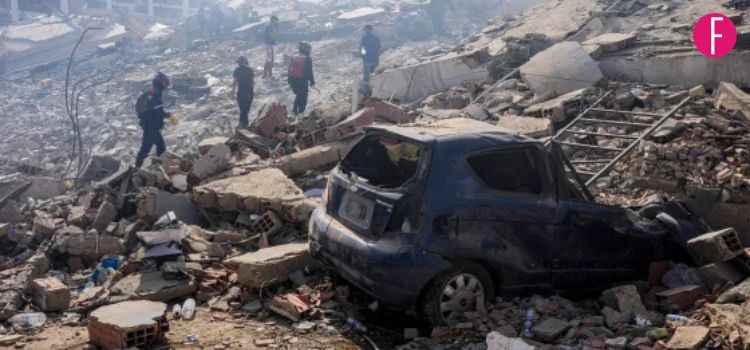
The rescue team from Venezuela along with more than 50 other nations is carrying out extensive rescue missions, although it has become increasingly difficult to hope for the survival of more victims.
As indicated in the official reports issued, the total number of deaths so far is 1,943, while more than 10,000 people have been injured. Thousands of people are missing, and the total deaths are expected to increase even further as the rescue mission goes on. It will take many weeks before the international organizations working towards helping Venezuela get the real statistics of the catastrophe.
Rescue Operations Face Mounting Challenges
The rescue teams are still working day and night in the worst-hit areas, especially in the state of La Guaira and some parts of Caracas. Tens of thousands of the local rescue workers are being aided by the foreign rescue teams through heavy machinery and search dogs and advanced detection devices. Yet the rescue operation has become increasingly difficult due to the collapsed structures and aftershocks.
Despite all difficulties, there have been some remarkable survival stories reported by the rescuers, like the miraculous rescue of a three-year-old child, who was saved alive from under the debris six days after the disaster.
Widespread Destruction and Humanitarian Needs
The earthquakes, which registered at magnitudes 7.2 and 7.5, resulted in massive devastation in northern Venezuela. Estimates reveal that almost 59,000 buildings have been either damaged or destroyed by the earthquakes, making thousands of families homeless. Although some temporary shelters have been arranged, reports suggest that there is still a lack of food, clean water, hygiene and healthcare facilities for many displaced individuals.
The UN, WHO and other humanitarian organizations have become increasingly worried about the chances of outbreak of diseases including measles, dengue fever and malaria, shortage of basic necessities and the rising cases of food insecurity. International donors have increased their humanitarian aid for this transition phase from rescue to recovery process.
International Assistance Expands
International support continues to grow as governments and humanitarian organisations mobilise resources for the recovery effort. The United Nations, UNICEF, the World Food Programme (WFP) and the International Red Cross have delivered emergency food, medical equipment, shelter materials and sanitation supplies to affected areas.
According to UNICEF, the humanitarian supplies include 47 metric tons of emergency food, medicine, infant kits, health supplies, sanitation, and shelter supplies. On the other hand, the WFP has requested further funds for the assistance of 500,000 persons expected to require food support in the coming days.
The United States has deployed more than 900 military forces for logistics, engineering support, aerial transport and rescue operations. These efforts will be made in collaboration with the authorities in Venezuela despite the ongoing tensions between the two countries diplomatically.
Humanitarian Concerns Continue to Grow
Estimates by the humanitarian groups state that millions of people may need some form of emergency aid as thousands stay homeless. The temporary accommodation facilities keep getting filled up as clean drinking water, electricity, and sanitation facilities are still lacking in many affected regions. Aid workers have warned that the process of recovery would not be confined just to the stage of emergency response as the rebuilding efforts may take months – perhaps years – owing to the extensive destruction.
“The humanitarian needs far exceed the resources currently available,” relief agencies have warned, calling on the international community to sustain financial and logistical support for Venezuela’s recovery.
This is a developing story.
Sources: Al Jazeera, and CNN.

