

There was a time when people looked forward to the monsoon for one simple reason: it meant the unbearable summer was finally about to ease. The rain brought cooler evenings, greener surroundings and that unmistakable smell of wet earth. Today, however, the season comes with a different kind of anticipation. Alongside the relief is an uncomfortable question that returns every year: how bad will it get this time?
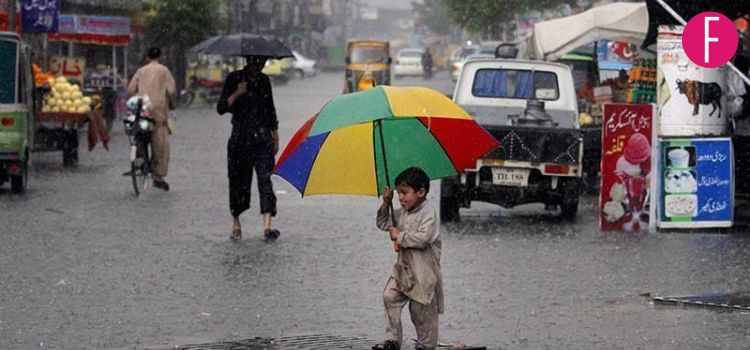
Image Credits: Dawn
That is what makes the Pakistan Meteorological Department’s latest advisory worth paying attention to. The department has forecast the first widespread monsoon spell of July, but its warning goes well beyond rain. From flash floods and urban flooding to landslides and damage caused by strong winds, the advisory paints a picture of a weather system that could affect much of the country over the coming days.
A weather system that will stretch across much of Pakistan
According to the PMD, the spell is being driven by more than one weather system. A westerly wave is moving into the country’s upper regions, moisture from the Arabian Sea is already feeding eastern and central Pakistan, while another stream of moisture from the Bay of Bengal is expected to arrive from July 2. Together, these systems are expected to produce widespread rain and thunderstorms across large parts of the country.
The forecast includes Islamabad, Rawalpindi and much of Punjab, along with Khyber Pakhtunkhwa, Azad Kashmir, Gilgit-Baltistan, northern Balochistan and parts of upper Sindh. Some areas are expected to receive isolated heavy downpours, while others could see rain continue on and off for several days.
The bigger concern begins after the rain starts
For most people, rain itself is not the problem. What worries authorities is everything that tends to follow it. Low-lying urban areas can flood within hours, drains overflow, roads become impassable and electricity infrastructure often suffers damage during strong winds.
That is exactly why the PMD has warned about possible urban flooding in cities including Islamabad, Rawalpindi, Lahore, Faisalabad, Gujranwala, Peshawar and Sialkot. Mountainous regions of Khyber Pakhtunkhwa, Gilgit-Baltistan and Azad Kashmir are also at risk of landslides, while local streams and hill torrents could swell quickly if heavy rainfall persists. The department has also cautioned that strong winds may damage solar panels, billboards and electric poles in exposed areas.
Every monsoon now carries memories of what Pakistan has already lived through
Pakistan does not have to look very far back to understand why weather advisories like this matter. Every monsoon season in recent years has brought stories of flooded neighbourhoods, highways disappearing under water and families stranded after rivers burst their banks. The devastating floods of 2022 remain the clearest reminder of how quickly heavy rainfall can turn into a humanitarian crisis, even though not every monsoon reaches that scale.
That does not mean this spell will unfold the same way. But changing weather patterns have made rainfall more unpredictable, and intense downpours are becoming harder to dismiss as isolated events. The PMD’s latest warning is less about creating alarm and more about giving people and local authorities enough time to prepare before the weather changes.
Sources: Dawn, Minute Mirror, Tribune, Pakistan Today
For more, head over to our Instagram:

