As Aik Aur Pakeezah wrapped up, it left behind a wave of emotion—and even more importantly, a trail of conversations that lingered well beyond its final episode. From the very beginning, the drama had resonated with viewers for its unflinching portrayal of difficult yet urgent issues like cybercrime, victim-blaming, and the weight of social stigma in an increasingly digital world. It didn’t just tell a story people watched; it told one they carried with them.

At its core, the narrative examined the complex barriers women face in their pursuit of justice, revealing how deeply ingrained societal norms and cultural expectations often silence rather than support. It also brought digital harassment into sharp focus—through doctored content, online shaming, and reputational damage—serving as a stark reminder of how virtual violations can have lasting, real-world consequences.
What set the drama apart was its emotional honesty. Inspired by real-life experiences, it went beyond legal frameworks to explore dignity, identity, and the quiet, often painful process of survival. By weaving together elements of crime, emotional depth, and relationships, it created a story that felt both engaging and deeply reflective.
As the journey of Aik Aur Pakeezah came to an end, we spoke to the creators to reflect on the story and its impact—one that, we believe, continues to challenge perceptions and spark necessary conversations.
Writer- Bee Gul on the journey of Aik Aur Pakeezah and its impact
“Genuinely speaking, this has been a very long journey. I started writing last summer and finished the script around August–September. Then came the shoot, and eventually, when it finally went on air—it’s been almost a year of living with this story.
Over time, it stops feeling like just a script. It becomes alive, it becomes real—especially when the actors step in and begin to live those characters. For me, the entire process has been nothing short of an emotional rollercoaster. Even while writing—imagining, conceiving, and staying with those moments and characters—it was very demanding, very exhausting, and deeply consuming.
After writing, I would read the script to the director, then to the actors. Then I saw it come to life. We sat through edits, figuring out how to piece it together, how to shape it. And once it goes on air, and people start responding to it—you remain deeply engaged with it for a very long time.
But when I was writing it, I didn’t approach it with a plan in mind. I didn’t sit down thinking I would create something impactful. I simply wrote what I felt, what I saw, what I had observed—what people, especially women and men around me, go through.
I didn’t realise it at the time, but later, as an audience, I could see that it came from an honest place. And for me, that honesty is everything. People often ask how you know something will have an impact—I don’t think you do. I never thought about the outcome. For me, if it moves me, if it resonates with me emotionally, then the job is done.
Because when I go through that journey myself, I feel everything—the pain, the helplessness, the despair, the hope, even the hopelessness. I start living with these characters. And I think if that honesty exists at the core—from all of us, from Roshaneh, from myself, from Kashf, from the cast, the director, the editor—then something meaningful comes together.
At some point, the audience becomes part of that journey too. It expands, it grows, and we all become connected through it—almost like we’re part of something larger, some shared cause or feeling.
One thing that has given me immense satisfaction is seeing empathy in the audience’s response. For the first time, I noticed that people were reacting with understanding—with compassion. That is all I ever hoped for. Instead of asking ‘why did this happen to her,’ or questioning her choices, the focus shifted to understanding her experience.
And that shift can only come from empathy, sincerity, and honesty.
By the end, when all the characters came together—and even the audience—it felt organic. It wasn’t planned. It had its own energy, its own flow. And I feel that energy has connected somewhere.
For that, I’m extremely grateful. And I’m also very thankful to our audiences, because having an intelligent audience is so important.
So thank you—a huge shoutout to all those who supported us along the way and the entire team.”
Director – Kashif Nisar on credit, performances, and audience response
“It’s really all about Bee Gul. The credit for the story, the script, and the screenplay belongs entirely to her—she laid the foundation for both the characters and the narrative.
After that, I think our actors truly made it their own. The level of ownership they brought to their performances was incredible. In fact, there were moments where I felt the actors were running ahead of the writers and directors—that’s how deeply they had internalised their roles. I especially feel that when I look at Pakeezah as a character.
I’m also genuinely happy with the kind of response the drama has received. Usually, audiences don’t engage as openly with content that is difficult to watch or holds up a mirror to society. But despite that, people connected with it, and that means a lot.
Ultimately, all the credit goes to my writer and my actors—they are the ones who made this possible.”
Producer – Roshaneh Zafar on what Aik Aur Pakeezah set out to achieve
“So what did we want to achieve?
The story of Aik Aur Pakeezah was always layered and intentionally nuanced. It begins by confronting the viewer with a painful crime—one that instinctively pushes us into becoming judge, jury, and executioner. In that moment, the idea was to make audiences pause and recognise their own biases, and how quickly we fall into the deeply ingrained pattern of victim-blaming. That was the first layer we wanted to challenge.
The second layer is even more uncomfortable—the unspoken reality of how society treats male and female victims differently. A man may be forgiven, his experience rationalised or eventually forgotten. A woman, however, is marked, questioned, and held accountable in ways that extend far beyond the incident itself. This imbalance is so normalised that it often goes unquestioned, and we wanted to bring that into sharp focus.
Alongside this, there was a quieter but equally important thread: legal awareness. Rather than presenting it as heavy exposition, it was woven organically into the narrative—so the audience could begin to understand not only the emotional toll of injustice, but also the systems, processes, and gaps that shape it.
But perhaps the most important shift we wanted was in perspective. To move away from spectacle and towards empathy. To centre the victim—not as a symbol or a statistic, but as a human being navigating trauma, silence, and survival.
This vision, of course, was brought to life by a remarkable team. Bee Gul’s writing gave the story its depth, sensitivity, and quiet power. Kashif’s direction translated that vision onto the screen with clarity and restraint. And throughout the process, Moneeza Hashmi and Imran Mahboob provided constant guidance and insight, helping shape and strengthen the narrative at every stage.”
Penned by Bee Gul and directed by Kashif Nisar, the drama features Sehar Khan in the titular role, with Nameer Khan, Amna Ilyas, Gohar Rasheed, Hina Bayat, Nadia Afgan, and Noor Ul Hassan in key roles.
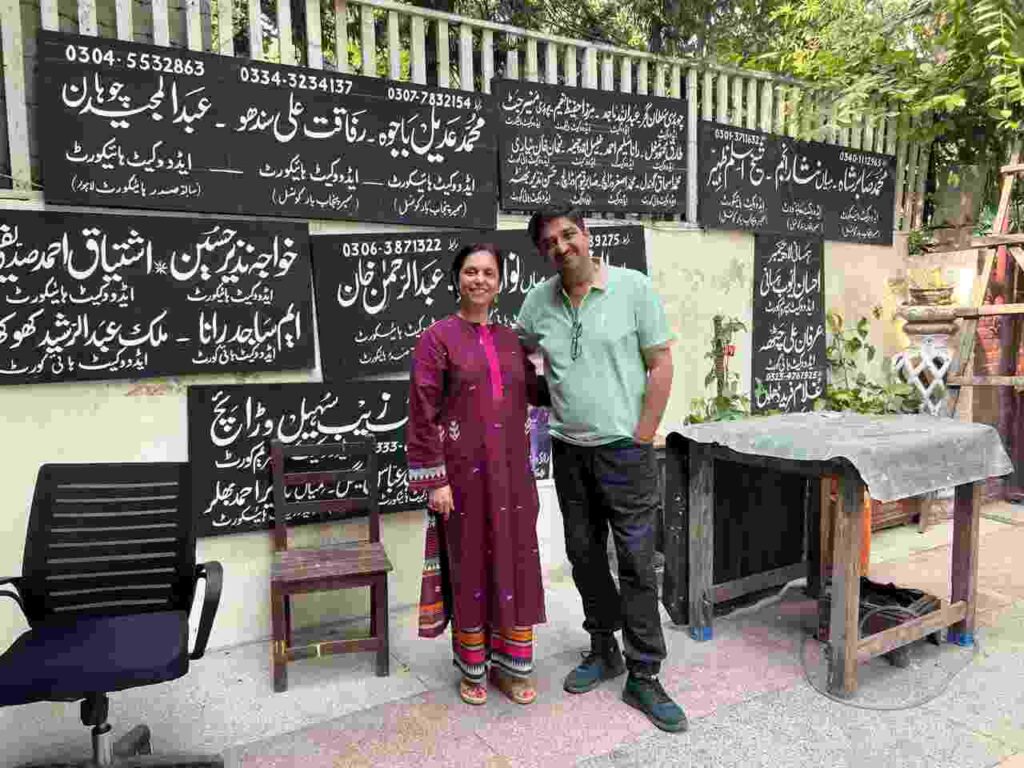
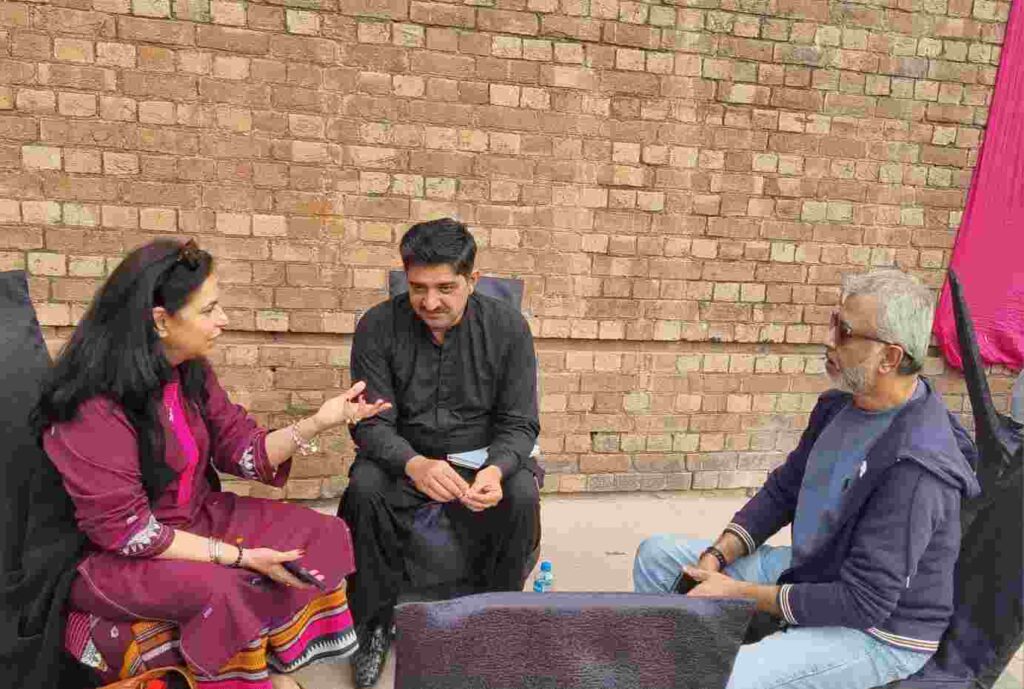
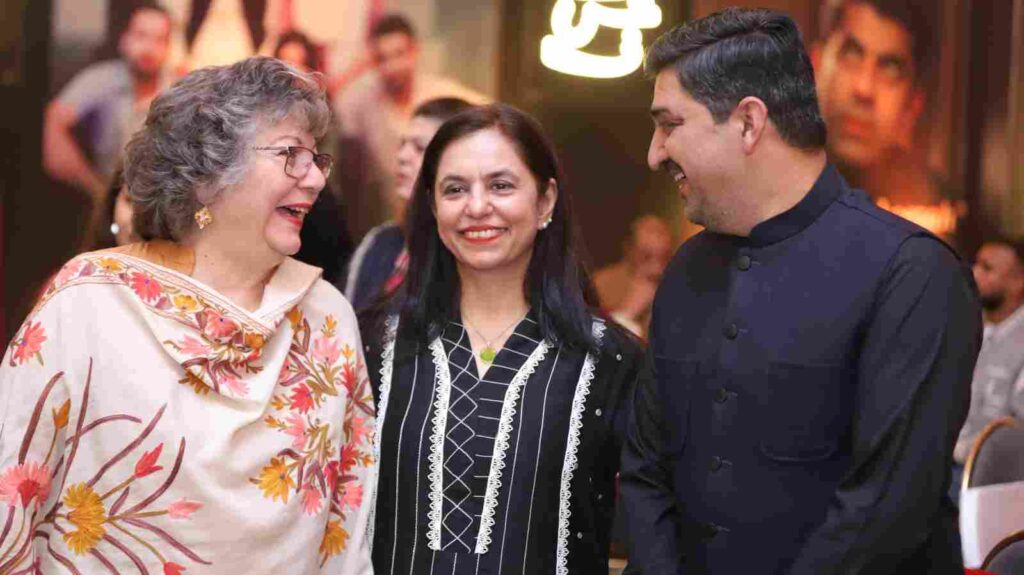
Take a look at exclusive behind-the-scenes moments from Aik Aur Pakeezah.