

A female polio worker in Jacobabad was allegedly abducted and raped while performing her duties in Detha village, within the limits of the Moladad police station.
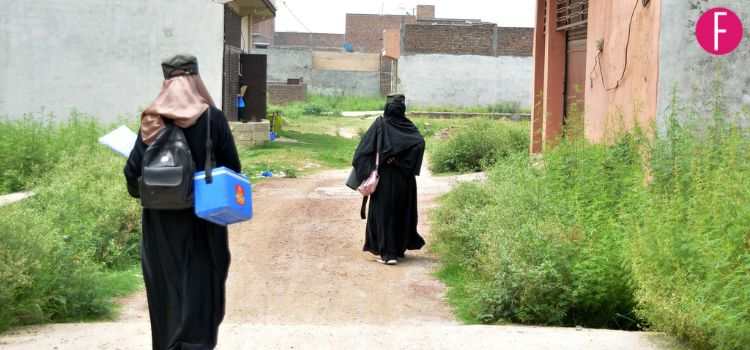
According to Deputy Commissioner Zahoor Murri, the worker was lured by two armed suspects who called her on the pretext of administering polio drops to children and then assaulted her on gunpoint. The police arrived at the scene and shifted the victim to James Hospital under tight security for a medical examination. “The medicolegal examination would confirm if any abuse took place,” said DC Murri. He added that the suspects have been identified, and operations are underway to arrest them.
The police have registered an FIR, and a special team has been formed to investigate the case. This incident underscores the immense risks faced by polio workers, especially women, in conflict-prone or underdeveloped, remote regions. Despite their dedication to eradicating polio, they often operate in areas where they face hostility, life-threatening attacks, and social stigmatization. These attacks not only threaten the individuals involved but also disrupt vital vaccination efforts in areas already resistant to the polio drive.
This is not an isolated event. Since 2012, more than 100 polio workers have been killed or have gone missing across Pakistan, many targeted in violent attacks. On average, around 10 to 15 Polio workers are targeted or killed in Pakistan each year due to violent attacks. Recently, in another tragic incident, a Polio team returning to a local health unit was attacked by gunmen. Senior police official Waqas Rafiq stated, “After completing their duties, a Polio team was returning when two unidentified motorcyclists opened fire on them.” The attack resulted in the deaths of a Polio worker and a police officer, and another person was injured.
According to UNICEF, 2024 has seen a worrying resurgence in Polio cases in Pakistan, with vulnerable regions reporting a sharp increase. This surge is largely attributed to the challenges faced in delivering vaccines in remote and conflict-affected areas, where misinformation and resistance to vaccination campaigns persist. Despite the ongoing efforts by the government and international organizations, more than 25 new cases have been reported this year, further complicating efforts to eradicate the disease.
UNICEF has emphasized the need for continuous vaccination drives, particularly in hard-to-reach areas, to prevent the virus from spreading. They have also highlighted the critical role of polio workers who, despite life-threatening risks, are essential to these campaigns. Enhanced security measures, community engagement, and government support have been urged to ensure these workers can continue their life-saving missions without fear of violence or harm.
New Sources: Aaj News, The News, & The Nation.

