

Israel’s cabinet approved a ceasefire agreement with Hezbollah late on Tuesday, mediated through the Lebanese government, in an effort to end over a year of violence.
The violence has caused widespread devastation, with more than 1.2 million people displaced in Lebanon and 3,768 killed, most of them in the past two months.
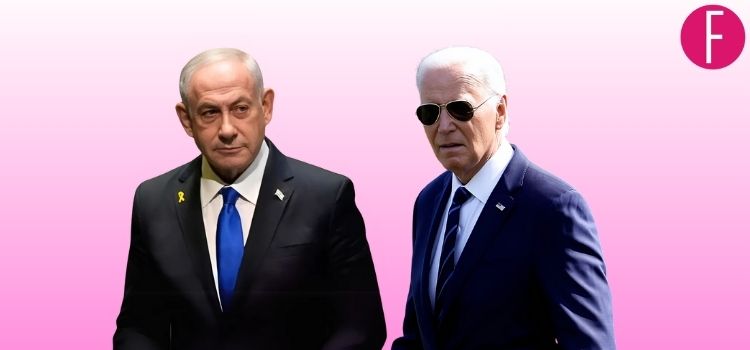
Late Tuesday night, Israeli Prime Minister Benjamin Netanyahu announced that the security cabinet had approved the ceasefire, a decision later endorsed by the full cabinet. U.S. President Joe Biden confirmed the truce was set to take effect at 4 a.m. local time in Lebanon.
Key Details of the Agreement
The ceasefire terms included:
- The withdrawal of Israeli forces from southern Lebanon.
- Hezbollah pulling back north of the Litani River, ending its presence in the south.
The Lebanese army, which had largely stayed on the sidelines, was expected to take control of security in the south. An international task force, led by the United States and supported by French peacekeepers, was also set to oversee the implementation of the truce.
Experts noted that while the deal could provide several years of relative peace, its long-term success would likely depend on a broader political agreement involving regional powers such as Iran.
Challenges Ahead
The Lebanese government, which does not directly control Hezbollah but played a vital role in the agreement, was scheduled to convene on Wednesday to discuss and approve the deal. The implementation process was expected to take up to 60 days, during which the Lebanese army would expand its role and assume full control over arms-related activities in the south.
Hezbollah did not immediately respond to the agreement. Despite the ceasefire agreement, tensions remained high. Israeli airstrikes hit Beirut’s Khandaq al-Ghamiq area just moments after the announcement, targeting an apartment building, according to MTV Lebanon News. These strikes targeted an apartment building, highlighting the fragility of the ceasefire efforts.The ceasefire is a critical step towards ending the violence, but its success hinges on effective implementation and broader political agreements to address the root causes of the conflict.This is a developing story.
Sources : Al Jazeera, NYT

