

The first days often pass quickly with busy routines of fasting, prayers, and iftars, but the middle of Ramzan is a special time to pause and think about what this month is really teaching us. It is a chance to look inward, strengthen our connection with Allah, and remind ourselves what it truly means to live as a Muslim.
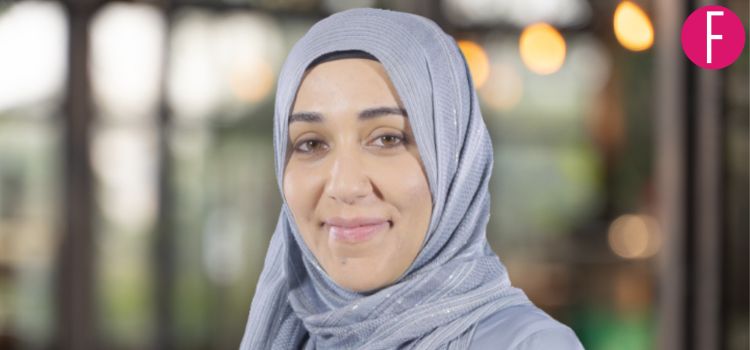
In moments like these, thoughtful reminders can make a big difference. Through her podcast, Yasmin Mogahed often talks about the struggles of the heart, patience during hardships, and trusting Allah’s plan. Her reflections resonate with many listeners because they are simple, honest, and deeply relatable. As we move through the second half of Ramzan, these reminders help bring us back to the purpose of this blessed month – purifying the heart and strengthening our faith.
Here are 5 things Yasmin Mogahed’s podcast made us realize this year.
1. The Power Of Dua Before Maghrib In Ramzan
Yasmin Mogahed reminds listeners that the moments right before breaking the fast should not be wasted. As we sit waiting for the Maghrib azaan, those few quiet minutes are actually a powerful opportunity to turn to Allah with sincere dua. After a long day of fasting, the heart is softer and more humble, making it a special time to ask Allah for forgiveness, guidance, and the things we truly need. The Prophet ﷺ emphasized the importance of this moment, saying: “The fasting person’s dua at the time of breaking the fast is not rejected.” (Sunan Ibn Majah, Hadith 1753). This reminder encourages us to pause, raise our hands, and make the most of those blessed minutes before iftar.
2. Ask Allah Knowing Who You Are Asking: Al-Rahman, Al-Rahim
She reminds us that when we make dua, we should not limit our prayers based on what we think is possible. Instead, we should remember who we are asking. Allah is Al-Rahman (The Most Merciful) and Al-Rahim (The Especially Merciful) – the One whose mercy and power have no limits. Rather than praying according to our small understanding of what can happen, we should pray according to Allah’s limitless ability to give. This means asking boldly, even for what seems impossible to us, because nothing is difficult for Him. When we truly keep His names and attributes in mind, our duas become bigger, more hopeful, and full of trust that Allah can grant far more than we imagine.
3. Three People Whose Duas Are Never Rejected
There is a special guidance in Islam about certain moments and people whose supplications are highly likely to be accepted. The Prophet ﷺ said: “There are three whose supplications are not rejected: the fasting person when they break their fast, the supplication of a traveler, and the dua of a parent for their child.” (Sunan Ibn Majah, Hadith 1753).
The Fasting Person at Iftar – When someone has fasted all day and raises their hands at the moment of breaking the fast, their dua is especially accepted.
The Traveler – Someone traveling and calling upon Allah for ease, protection, or guidance has their supplication heard.
The Parent for Their Child – A parent’s sincere dua for their child, asking for guidance, protection, or blessings, is never rejected.
4. Always Call Allah With His Beautiful Names
Allah loves it when we call Him by His beautiful names, because each name reflects His unique attributes and reminds us of His greatness. Call Al-Rahman for His vast rehem, Al-Rahim for His gentle mercy, Al-Qadeer to trust in His limitless power, Al-Hakeem to seek guidance with faith in His wisdom, and Al-Ghaffar to ask for forgiveness knowing His pardon is endless. Using His names in dua shows our awareness of who He truly is and strengthens our connection with Him. It turns our prayers into moments of love, trust, and hope, and Allah loves to hear His servants call upon Him in this way.
5. Don’t Overthink, Allah Is Already Handling What You’re Worried About
He plans better than we ever could. When we feel anxious, worried, or uncertain about the future, it’s easy to overthink every detail and try to control everything ourselves. But Allah made us, He made our destinies, and He knows what is best for us. How could He not know your feelings? How could He not see your pain? He knows everything, and whatever He does for us is perfect, even if we don’t understand it at the moment. Trusting Him means letting go of unnecessary worry and having strong belief that His plan is always the best. While we focus on doing our part, He is already working behind the scenes, taking care of us in ways we may never even notice.


Comments 2