

Transgender individuals in Pakistan have long faced harassment, violence, and discrimination, despite some legal protections. Unfortunately, another tragic incident has occurred in Mardan, Khyber Pakhtunkhwa, adding to the ongoing violence faced by the community.
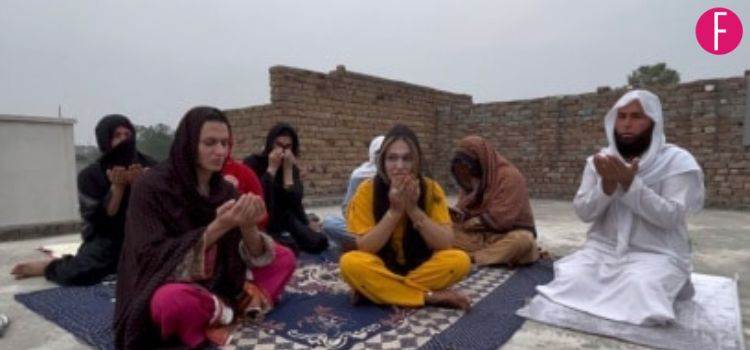
On Sunday night, two transgender women were brutally stabbed to death in their home by two men armed with daggers. The attackers fled the scene immediately, leaving the victims to be discovered later. The local police, led by Fahim Khan, have arrested two suspects in connection with the killings, though no clear motive has been established. The victims were buried at a local graveyard, while the police continue their investigation. The arrests of the suspects have not confirmed their direct involvement in the attack.
Farzana Jan, head of the Trans Action rights group, expressed outrage over the latest killings. She highlighted that nine other transgender individuals had been killed in Khyber Pakhtunkhwa this year, none of whose attackers have been brought to justice. Jan stated that a lack of seriousness by prosecutors in pursuing these cases often results in impunity for the attackers. She warned that if those responsible for the Mardan killings are not arrested within three days, the transgender community will stage protests to demand justice.
Legal Protections For Transgender People In Pakistan
Pakistan has introduced several laws aimed at protecting the rights of transgender individuals. The most significant is the Transgender Persons (Protection of Rights) Act, 2018, which allows transgender individuals to legally identify their gender on official documents like passports, national ID cards, and driver’s licenses. This law also provides protection from discrimination in employment, education, and public services, granting them equal access to opportunities. Another key aspect of this law is the right to inheritance, ensuring trans individuals can claim their rightful share of family property, addressing the historical exclusion they faced in family matters.
Additionally, transgender people are protected under anti-harassment laws. The Protection Against Harassment of Women at the Workplace Act, 2010, has been extended to cover transgender individuals, providing them safety and security in both public and private workplaces. The introduction of transgender identity cards by the National Database and Registration Authority (NADRA) further strengthens their position by allowing official recognition of their gender identity. This helps them access essential services such as healthcare and social welfare, enabling them to live with dignity.
Similar Incidents Of Transgender Violence
The Mardan killings are not isolated incidents. There have been several other violent attacks in recent years:
• In January, a transgender woman in Peshawar was shot dead in what appeared to be a targeted attack. Her assailants were never apprehended.
• In March, another transgender person was killed in Swabi, a district in Khyber Pakhtunkhwa, after facing continuous harassment from local men.
• In May, a transgender woman was gunned down in her home in Nowshera, with her attackers fleeing the scene. Despite police investigations, no arrests were made in connection with her death.
Despite the presence of legal protections and efforts to secure their rights, the transgender community in Pakistan continues to suffer from severe violence, discrimination, and social exclusion. While these protections exist on paper, their enforcement is often inconsistent, and societal attitudes remain deeply rooted in prejudice. Transgender individuals frequently face brutal attacks, harassment, and marginalization, forcing many to live in fear and isolation. The recent killings in Mardan highlight the grim reality that, despite the progress made, the trans community remains vulnerable to cruelty and injustice, with true safety and acceptance still far from reach.
This is a developing story.
News Sources: Arab News, AP News, and Q News.

