

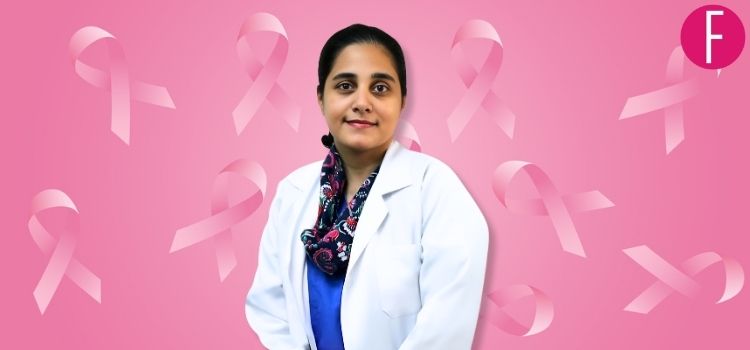
This October, Dr. Ghina Shamim Shamsi joins us to debunk myths and answer our pressing breast cancer awareness and prevention questions.
October serves as a significant month for raising awareness about breast cancer, a disease in which abnormal breast cells grow uncontrollably and form tumors. These tumors can invade nearby tissues and lymph nodes, ultimately leading to life-threatening complications. According to the WHO, in 2022, healthcare professionals diagnosed approximately 2.3 million women with breast cancer globally, resulting in around 670,000 fatalities. This data underscores the urgent need for awareness and education about this prevalent health issue.
Breast cancer often begins in the milk ducts or lobules of the breast. While the earliest forms of the disease may not be life-threatening, they can progress to invasive cancers if left untreated. Several risk factors contribute to breast cancer, including female gender, increasing age, obesity, and family history. Notably, about 99% of breast cancer cases affect women, while a small percentage impact men.
The disparities in breast cancer diagnosis and mortality rates emphasize the importance of awareness. In countries with a high Human Development Index (HDI), one in 12 women receives a breast cancer diagnosis in her lifetime. In contrast, in low HDI countries, the ratio is 1 in 27, yet the death rate is higher, with 1 in 48 women succumbing to the disease.
Asking The Expert!
In recognition of Breast Cancer Awareness Month, we are honored to have Dr. Ghina Shamim Shamsi join us to address your questions and clarify the truths surrounding breast cancer. Dr. Ghina is the Head of General Surgery and Postgraduate Medical Education at Indus University Health Sciences, bringing a wealth of expertise to our discussion. She will guide us through essential topics, such as the types of breast cancer, risk factors, and available treatments, and will provide insights into the importance of early detection.
1. What are the early warning signs of breast cancer that everyone should know, and how can increased awareness help with earlier detection and treatment?
The early warning signs of breast cancer include the formation of a lump, discharge (especially bloody discharge) from the nipple, and hardness in one area of the breast. Additionally, there may be a rash or a significant size difference between the two breasts
2. How can women learn to perform a proper breast self-examination, and why is it important to do it regularly?
Every woman should examine her breasts after her periods. The correct technique can be learned from YouTube videos by searching for ‘breast self-examination.’ If you do this every month, even a slight change will be detected, which can help in the early recognition of any disease.
3. How can we use this Breast Cancer Awareness Month to educate people about the role of family history and genetics in breast cancer risk?
Breast Cancer Awareness Month can be used to educate people that not only breast cancer, but also ovarian and prostate cancer can increase the risk of developing breast cancer. It’s important for individuals to know at what age their family members were diagnosed with cancer. For instance, if someone’s first-degree relative was diagnosed with breast cancer at the age of 45, their screening should begin at 35, rather than following the standard recommendations. Therefore, knowing the age at diagnosis and family history can help improve screening strategies.
4. What are the main reasons for late-stage breast cancer diagnoses in Pakistan, and how can increased awareness campaigns help reduce these cases?
One of the main reasons for late-stage breast cancer diagnoses in Pakistan is that people do not regularly examine their breasts. Additionally, even when they find a lump, they often do not seek medical attention because it is usually painless. Even when they do visit a doctor, they may delay treatment as they prefer to consult multiple doctors before reaching a conclusion.
5. How can workplaces and educational institutions in Pakistan play a role in promoting breast cancer awareness and screenings among women of all ages?
One of the main roles educational and workplace institutions can play in breast cancer awareness is not only to have sessions that create awareness but also to offer screenings and ensure that physical examinations or entry-level assessments for an organization include health coverage for mammogram facilities and ultrasounds, along with access to care for breast cancer patients.
6. What common symptoms of breast cancer should people never ignore, and how can we spread this message in rural areas with limited healthcare facilities?
The most common symptoms of breast cancer include a lump, a rash, or some discharge from the breast. One of the best ways to spread this message in rural areas is by utilizing and mobilizing the resources available there, such as recruiting the lady health care workers who are already present and have a good rapport with the locals. This approach will also allow them to visit and perform physical examinations.
7. What preventive lifestyle changes can people adopt to reduce the risk of breast cancer, and how can we use this month to highlight their importance?
The most common preventive lifestyle changes to reduce the risk of breast cancer include quitting smoking, as even secondhand smoke increases the risk. This also applies to vaping, pods, and all forms of inhalational agents. Additionally, maintaining a healthy lifestyle involves reducing meat and alcohol intake, engaging in regular exercise, and consuming fewer processed foods.
8. How can we encourage more Pakistani women to prioritize their health and seek out early screenings without feeling ashamed or hesitant?
I think one of the best ways to encourage Pakistani women is to educate them. Once they are educated, they realize how important health is and understand the significance of maintaining a healthy lifestyle and taking care of themselves
9. What resources or support systems are available in Pakistan for women diagnosed with breast cancer, and how can we spread awareness about these services?
Pakistan, Alhamdulillah, can support people with breast cancer throughout their journey. We have skilled breast surgeons and oncologists, and even in the public sector, there are facilities like Kiran, Linar, and oncology setups like Jinnah, which offer services at subsidized rates. One of the best ways to assist patients is by helping them recognize and navigate the proper channels, which can be facilitated through quarter hospitals in rural areas or public hospitals with one-stop breast clinics.
To create awareness about breast cancer, the first step is to educate women on the importance of regular self-examination. Women need to be made aware that if they notice any changes, they should immediately consult the relevant doctor without delay.
10. What role can men play in breast cancer awareness, and how can we educate them to support women in their families and communities during this awareness month?
Well, men can play a very important role because they are currently one of the biggest hurdles women face in accessing healthcare for various issues. They are often the ones who provide transportation and financial support. If men are aware that small lumps in the breast or changes in breast tissue can lead to serious health problems, they may be more supportive and helpful towards women seeking medical assistance.
11. What are the common myths and misconceptions about breast cancer that you encounter in Pakistan, and how can they be debunked during awareness campaigns?
The common myths and misconceptions about breast cancer include the beliefs that if you’re young, if you have breastfed, or if you don’t have a family history, you will not get breast cancer. However, breast cancer can occur in young women, including pregnant women. While family history is important, you can also develop breast cancer without a known family history, which is referred to as sporadic breast cancer. Another myth is that using deodorants, colored bras, or colored undergarments can cause breast cancer. This is not true; deodorants and colored undergarments do not lead to breast cancer.
A common misconception is that men do not get breast cancer. In fact, about 1% of men do develop breast cancer, and in their cases, family history does play an important role. Some people believe that mammograms are a very painful process. While mammograms can be uncomfortable, the pain is usually manageable with painkillers. Additionally, there is a myth that if you get a biopsy done, breast cancer will spread. In reality, if you don’t get a biopsy, you will never know the type of breast cancer, and appropriate management can only be done once we identify the specific type.
In conclusion, understanding and dispelling myths about breast cancer is crucial for early detection and effective treatment. By spreading awareness and educating ourselves, we can better support those affected and contribute to the fight against this pervasive disease. Let’s commit to fostering a well-informed community this October and beyond.
What questions do you have for Dr. Ghina Shamim Shamsi regarding breast cancer awareness or treatment? Drop in the comments!


Comments 1