

Thousands of A-Level students across Pakistan expected this year’s Cambridge examination series to be stressful. What they didn’t expect was that one of the biggest twists would arrive only days before results were due to be released. After months of uncertainty surrounding leaked examination papers, Cambridge International has reversed one of its most significant decisions of the year. The board has confirmed that AS & A Level Mathematics Paper 52 (S1) will now be graded using students’ original exam scripts after previously announcing that the paper would be excluded and replaced with assessed marks.
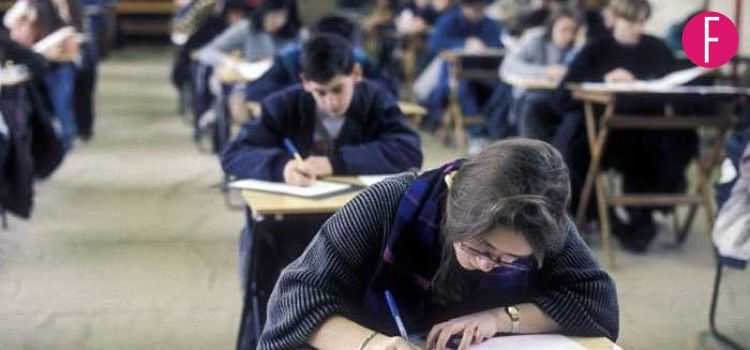
For many students, the announcement didn’t bring relief. It brought frustration.
The issue is no longer only about a leaked examination paper. It has become a question of consistency, transparency and whether students can reasonably be expected to trust decisions that change at the very last moment.
It Was Already One Of Cambridge’s Most Chaotic Exam Series
The June 2026 examination session had already been overshadowed by repeated concerns over leaked papers across South Asia.
Reports of genuine and fake paper leaks spread rapidly across social media throughout the examination period, creating anxiety before multiple examinations. Cambridge eventually confirmed that some papers had indeed been circulated before candidates entered examination halls, including AS & A Level Mathematics Paper 52 (9709/52) and AS Level Computer Science Paper 12 (9618/12).
For students sitting Mathematics S1, the circumstances were particularly unusual. The paper had reportedly been shared approximately two hours before the examination began in Administrative Zones 3 and 4, affecting countries across South Asia, including Pakistan. By Cambridge’s own admission, the leak represented a breach of examination regulations serious enough to require immediate investigation.
Soon afterwards, Cambridge announced that Mathematics Paper 52 would not contribute to students’ final grades. Instead, candidates would receive assessed marks — a recognised grading method that estimates performance using evidence from other components of the same qualification.
For many students, that announcement settled the matter. Some admitted they had not completed the paper seriously after learning it had already been leaked, believing it would inevitably be cancelled. Others chose not to withdraw from the examination because Cambridge had already confirmed an alternative grading method would be used. Families who had spent months preparing — and paid substantial examination and tuition fees — accepted the decision and began focusing on results day. As far as most candidates were concerned, the chapter had closed.
Then, Less Than A Week Before Results, Everything Changed
Instead of confirming assessed marks, Cambridge informed schools that Mathematics Paper 52 would once again count towards students’ grades.
According to the examination board, an extensive investigation and detailed analysis of examination data concluded that although the paper had leaked before the examination, it had not gained significant visibility inside Pakistan and therefore had not materially affected candidate performance in the country.
As a result, original examination scripts would now be used for grading instead of assessed marks. At the same time, Cambridge maintained its earlier decision regarding AS Level Computer Science Paper 12. Unlike Mathematics, the board stated that the Computer Science paper had been widely circulated across Pakistan, making assessed marks necessary to remove any unfair advantage gained through the leak.
The distinction creates two very different outcomes. One leaked paper returns to normal marking. The other remains cancelled.
From Cambridge’s perspective, the difference lies in the scale of exposure. From many students’ perspective, however, the timing has become the bigger issue.
Why Students Are Calling The Decision Unfair
The strongest criticism isn’t necessarily that Cambridge changed its conclusion. Investigations can uncover new evidence, and organisations sometimes revise earlier decisions.
The concern is when that revision happened.
By the time Cambridge announced the reversal, students were only days away from receiving their results. University applications had already been submitted, admission deadlines were approaching and months had passed since candidates were first told that S1 would no longer determine their grades. That timeline matters.
Students make decisions based on information they are given. When an examination board publicly announces that a paper will be replaced with assessed marks, candidates naturally begin treating that decision as final. Some stop worrying about that component altogether because they believe it has already been resolved. Others begin planning university admissions around the grading policy they have been promised.
Changing that policy at the eleventh hour inevitably raises difficult questions about fairness, even if Cambridge genuinely believes its statistical analysis supports the new outcome. The controversy also highlights something larger than one mathematics paper. Public confidence in examination systems depends as much on predictability as it does on accuracy. Students are expected to follow strict rules throughout their examinations, and understandably expect the organisations overseeing those examinations to provide the same level of certainty in return.
When major grading decisions remain open until the week results are released, that confidence inevitably begins to weaken.
South Asia’s Leak Problem Isn’t Going Away
This year’s examination series also exposed a much broader challenge facing international examination boards.
Social media has transformed how leaked papers spread. What might once have remained confined to a small group can now circulate across messaging platforms within minutes, making investigations significantly more complicated. At the same time, fake leaked papers have become increasingly common, creating panic even when the documents being shared are not genuine. Cambridge acknowledged facing both problems during this examination cycle.
But while technology has made preventing leaks more difficult, students argue that responding consistently has become just as important. Once confidence in the examination process begins to erode, every future decision faces greater scrutiny. That is why the latest reversal has generated such strong reactions online. For many candidates, this is no longer simply about whether S1 should or should not count. It is about whether students can realistically rely on official announcements if those announcements remain subject to change until the very last moment.
The Bigger Question Cambridge Now Has To Answer
Cambridge insists that its latest decision reflects evidence gathered through extensive investigation and statistical analysis rather than assumption. If that evidence genuinely demonstrated that Pakistan’s candidates were not significantly affected by the leak, the board understandably believes grading original scripts is the fairest outcome. Yet fairness is measured by more than numbers alone.
It is also measured by communication, consistency and trust.
Students spent months believing one grading policy would apply before discovering, only days before results, that another would take its place. Regardless of whether Cambridge’s data ultimately justifies the decision, the timing has left many candidates feeling that certainty was replaced with confusion precisely when they needed reassurance most. Results day will arrive, grades will be issued and admissions decisions will move forward. But this examination series is unlikely to be remembered simply for marks on a certificate.
Instead, many students will remember it as the year when paper leaks dominated headlines, grading policies shifted unexpectedly and one of the biggest decisions arrived only after they thought the story had already ended.
Whether Cambridge has reached the correct academic conclusion may continue to be debated. The larger challenge now is rebuilding students’ confidence that when major decisions are announced in the future, they will remain exactly that — decisions, not drafts.
Sources: Current Pakistan, ProPakistani, Reddit, Pakistan Today

