

There are actors who become famous, and then there are actors who become a type. Yang Yang somehow ended up being both — the face of the “perfect male lead” era in C-dramas, and also someone whose career has been built a lot more quietly than you’d expect for that level of fame.
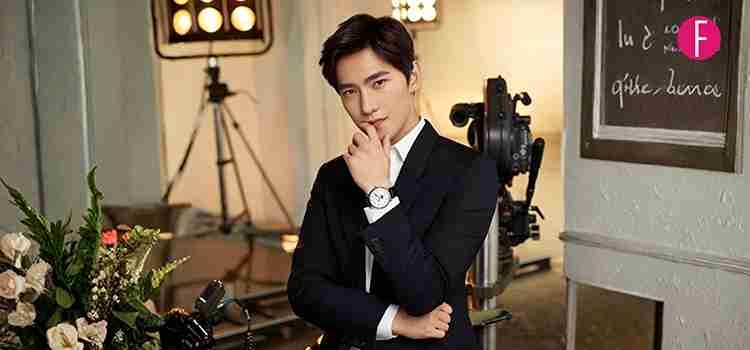
What’s interesting is that none of this even started with acting. Before the dramas, before the brand deals, before the internet collectively decided he was that guy, he was training to be a dancer. Properly trained, disciplined, military-style academy in Beijing, the whole thing. It shows, honestly — there’s a certain control in how he carries himself on screen that doesn’t feel accidental. Even when he’s doing the bare minimum, it looks… intentional.
His entry into acting wasn’t some long, strategic climb either. He landed Dream of the Red Chamber early on — which, if you know how culturally significant that story is, is not a small deal. It’s the kind of role that either sets you up or completely overwhelms you, and for him it kind of just… placed him on the map. Not explosively, but enough for people to start noticing.
Then came that 2015–2016 phase where everything just clicked. The Left Ear, The Lost Tomb, The Whirlwind Girl — and then of course Love O2O, which basically locked his image in place. After that, there was no escaping it. The calm, untouchable, ridiculously put-together male lead? That was him now.
And the thing is, he leaned into it — but not in an annoying way. More like he refined it. Whether it was Ye Xiu in The King’s Avatar or Yu Tu in You Are My Glory, the vibe stayed consistent: composed, slightly distant, very sure of himself, but never loud about it. It’s a very specific screen presence — the kind that doesn’t need big reactions to hold attention.
A huge part of why he’s stayed this relevant, though, isn’t just the dramas. It’s the image. And not in a shallow way — more like a very carefully maintained one. Yang Yang looks like he belongs in luxury campaigns, so naturally, luxury brands agreed. Being associated with Dior and Valentino feels almost predictable, but in a way that works. Add Montblanc and Guerlain into the mix, and you realise he’s not just doing endorsements — he fits the whole aesthetic they sell.
It’s also why his popularity doesn’t feel limited to just drama watchers. Even if you haven’t seen his shows, you’ve probably seen him. Magazine covers, fashion weeks, campaigns — he exists in that space where actor and brand image kind of blur into one.
At the same time, his career hasn’t been loud or chaotic. No constant reinventions, no desperate attempts to stay viral. If anything, he disappears a bit between projects, comes back with something new, and just continues from where he left off. It’s a very… steady kind of stardom. Not boring, just carefully relevant, not random, just controlled.
And maybe that’s the whole thing with Yang Yang. He doesn’t overwhelm you. He doesn’t force himself into every conversation. But he’s always there — in the background of the industry, in people’s watchlists, in brand campaigns — quietly maintaining a level of relevance that a lot of louder stars struggle to hold onto.
He’s not trying to be everything.
He just knows exactly what he is — and sticks to it.
Sources: CNA Lifestyle, Prestige Online, South China Morning Post, Baidu

