

Tensions have risen sharply since Iranian missile strikes on Kuwait International Airport, which killed one person and injured dozens. The incident has significantly escalated the conflict between the United States and Iran and raised fresh concerns about safety and security across the Gulf region.
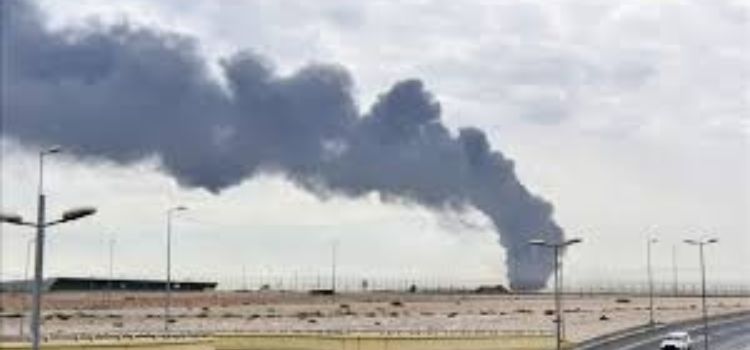
The missile strikes happened only hours after the United States launched airstrikes against several Iranian military sites located on Qeshm Island, which is located just off the coast of Iran and is located near the strategically important Strait of Hormuz.
What Happened?
In the early hours of Wednesday, Kuwait’s authorities announced that Kuwait International Airport had suffered damage to both its airport infrastructure and flights had been disrupted as a result of missiles/drones hitting the airport. Flight diversions were initiated while damage assessment of the affected terminal (Terminal 1) began immediately. Injury reports have also come forward from those in the area.
This is one of the most serious attacks on civilian infrastructure in the Gulf (and potentially outside) since regional tensions escalated recently and have therefore caused an escalation in security response by countries in the region due to concerns that there may be additional attacks against their civilian infrastructure.
Why Did the US Strike Qeshm Island?
The attack at the international airport came in the wake of the strikes conducted by US forces against Iranian targets located on the island of Qeshm, according to U.S. Central Command (CENTCOM), which described these strikes as having been intended to destroy military targets associated with Iranian missile and drone attacks that had recently been launched by Iran and that had been considered threatening to the United States, other nations in the region and commercial vessels which transport goods.
Because Qeshm is located near the Strait of Hormuz (one of the most politically and economically important maritime chokepoints on Earth), it is a location of significant geopolitical importance given the ongoing conflict in the region. Any potential military action taken by any government at this location could disrupt global trade and create a significant impact on the security of the region.
Iran’s Response
The Islamic Revolutionary Guard Corps (IRGC) claimed responsibility for the retaliatory operation, which Iranian officials said was aimed at US military bases across the region. Tehran characterised the attacks as a response to US strikes on Iranian territory and military infrastructure.
Iran has continued to assert that it would respond to any attack that targets Iranian assets or personnel. Iranian state-sponsored media said that the operations were part of a much larger effort to deter future military activity conducted by the US and US friends in this region.
The US Position
The United States rejected Iranian claims that American military facilities had been successfully hit. CENTCOM claimed that many Iranian missiles and drones launched at the US were stopped before striking their intended targets, and insisted that US operations on Qeshm Island were defensive operations.
Washington had stated that they took these actions to counteract immediacy of threats against US forces and to protect both military personnel and commercial shipping in or near the Gulf of Oman.
A Fragile Diplomatic Situation
The most recent exchanges between the two sides make already precarious diplomatic solutions between Washington and Tehran even graver. Both parties have previously indicated support for talks aimed at reducing tension. However, recent military confrontation between the two nations has created more doubt about the future viability of achieving any real improvements. As both parties have also continued to exchange accusations, regional governments have called for restraint between both sides in consideration of the potential for additional escalation leading to a larger conflict.
The strategic location of Kuwait, as well as its role as a host of U.S. military forces, make it a very important target in a larger regional security perspective. Analysts warn that the continuation of retaliatory military actions could raise the possibility of a broader regional conflict, which could impact energy prices, shipping lanes and overall regional stability.
This is a developing story.
Sources: Al Jazeera, BBC, and Business Recorder.

