

“What you do makes a difference, and you have to decide what kind of difference you want to make,” said Jane Goodall. Saba Qamar has taken this to heart, and her body of work is living proof.

Saba Qamar has always been one of those rare actors who knows exactly what she wants to say through the characters she chooses. While many in the industry chase trends, she gravitates toward scripts that are different, thought-provoking, and often ahead of their time. She doesn’t pick a character just to entertain – she picks one that shakes a conversation, challenges a stereotype, or pushes viewers to think a little differently.
Saba lets her work speak for her. She allows her characters to carry the message, trusting the audience to recognize the nuance, courage, and honesty she brings to every role. And the audience clearly does notice. Over the years, Saba Qamar has emerged as a symbol of meaningful storytelling, a performer who never compromises on quality or depth. Through her carefully chosen roles, she has shown that it is possible to spark important conversations and make a lasting impact simply by bringing the right stories to life with sincerity and conviction.
Here are four dramas where Saba Qamar dared to be different – and the love, praise, and lasting impact prove that meaningful characters can make a dent in our social world view.
1. Mrs. & Mr. Shameem: A Conversation About AIDS & Gender Bias Packaged In Sensitive Storytelling

In Mrs. & Mr. Shameem, Saba Qamar plays Umaina, a strong and resilient woman who faces betrayal and social judgment early in life. She marries Shameem, played by Naumaan Ijaz, an effeminate man who faces constant ridicule and misunderstanding from society. The drama carefully explores his struggles with identity, showing how rigid gender expectations can limit people and how empathy and love can challenge those biases.
The story also brings HIV/AIDS into the conversation – a topic rarely discussed openly on screen. Through Umaina and Shameem’s journey, the drama not only highlights the stigma, fear, and misconceptions surrounding the disease but also shows how both characters actively educate those around them. By confronting prejudice with dignity and compassion, they challenge societal norms and break the silence around HIV/AIDS. Mrs. & Mr Shameem is a powerful, much-needed narrative that sparks awareness, encourages understanding, and inspires conversations that are long overdue.
2. Pamaal – The Fine Line Between Love, Possessiveness, Ownership and Empowerment

In Pamaal, Saba Qamar plays Malika, a young woman who begins her life full of hope, dreams, and confidence. Before marriage, she is shown as creative, ambitious, and independent. But after she marries Raza, played by Usman Mukhtar, things change. The drama shows how his protective and possessive behavior gradually becomes controlling, making decisions for her in the name of love and care, from who she meets to the smallest daily choices. Through their story, Pamaal explores emotional and psychological abuse, showing how control can hide behind gestures that appear caring. Such relationships trap women, slowly breaking their confidence, silencing their dreams, and making them doubt themselves. The drama reflects real-life situations many women face, sparking conversations about why emotional abuse and toxic control are often ignored or accepted.
Raza’s protection of Malika crossed the line into control, leaving her completely dependent on him. When he was taken away by the investigation officer, Malika realized she did not know how to drive, handle legal matters, or manage daily life on her own. Now, facing his own battle with late-stage liver cancer, Raza is finally teaching her how to live independently. In a heart-wrenching moment, Malika asks, “Kaash apne ye sab mujhe achay waqton me sikhaya hota,” realizing the fine but crucial line between protecting someone and empowering them. This moment captures the drama’s core lesson: love and care should build strength, not dependence. It teaches women the importance of being independent not just financially, but also in making decisions, handling challenges, and trusting their own abilities before life forces them to fend for themselves.
3. Baaghi – The Life of Qandeel baloch, Unpacking The Other Side Of The Story
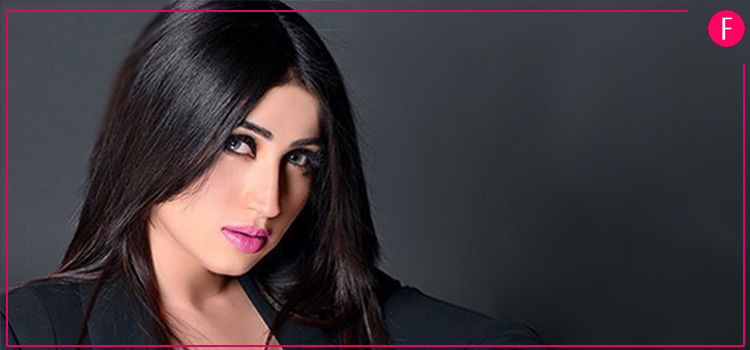
Baaghi is based on the life story of Qandeel Baloch, with Saba Qamar taking on the role of Kanwal Baloch at a time when Qandeel was constantly in the news, often in a negative light. Choosing this role was a daring move, as public opinion had already been shaped by media coverage. Yet Saba dared to step into her shoes and tell the untold side of her story – the struggles, the courage, and the human side that neither Qandeel nor anyone else had shared publicly. The drama doesn’t just portray her life; it challenges perceptions and sparks conversations about the pressures women face in a judgmental society.
Saba Qamar’s performance in Baaghi is widely regarded as one of the best of her career. Audiences loved the drama for its storytelling, Saba’s nuanced portrayal, and the soulful OST that captured the emotions of the narrative. Through this role, she brought empathy and depth to a story that had been sensationalized in the media, showing viewers a side of Qandeel Baloch that had remained hidden and giving context to every choice Qandeel ever made in her life. Her performance left a lasting impact on everyone who watched, making the character unforgettable and deeply human.
4. Case No. 9 – Giving A Voice To Every Rape Survivor In Court

Case No. 9 stars Saba Qamar as Sehar Moazzam, a rape survivor who refuses to stay silent in front of a wealthy and influential man and instead fights for justice. The drama educates viewers about the legal processes a survivor must navigate, showing in simple terms what to do, what not to do, and how to protect one’s rights. From filing a First Information Report (FIR) to undergoing medical and forensic examinations, the show breaks down the procedures in a way that is easy for the laymen to understand. It also emphasizes the importance of preserving evidence, such as not cleaning or discarding clothes immediately after the assault, and explains how investigations and trials proceed step by step.
The drama also highlights important legal protections for survivors in Pakistan. It makes it clear that a woman’s past or “character” cannot be used to discredit her case; what matters is the evidence and the facts of the crime. Court proceedings, survivors’ rights to privacy, and the significance of medico-legal documentation are all shown in a way that demystifies the legal system and empowers viewers with knowledge. By presenting these realities on screen, Case No. 9 acts as a guide, showing survivors and their families how to approach the legal system and what to expect during the process.
In recent episodes, the show further explores the role of social media in seeking justice. It demonstrates how sharing stories online can push those in power to act, and how public awareness can become a force that drives accountability. The drama shows that what goes online – posts, campaigns, and public discussion – can amplify a survivor’s voice and put pressure on authorities to respond. This element of the show reminds viewers that justice isn’t limited to the courtroom; societal attention and support can play a crucial role in ensuring survivors are heard and protected.
It was a daring choice for Saba Qamar to take on such a sensitive character. Through her performance, Saba gave a voice to survivors and highlighted the emotional and legal challenges they face, sparking important conversations about issues that are often ignored. Moreover, the drama sensitively portrayed the mindset of a society that questions victims instead of holding perpetrators accountable, showing the harsh realities many survivors confront every day.
The conversations that these stories initiated show that actors who achieve high social media traction and guarantee a sizeable drama viewership carry a real responsibility. The scripts they choose can influence how society perspectives, normalized behaviors, and which issues get our attention. Instead of taking on roles portraying obsessive love, stalking, disregarding consent of a woman as potential heroic traits, actors have the power to pick stories that challenge norms, highlight significant social issues, and spark meaningful debates. Saba Qamar serves as a stellar example in the Pakistani drama landscape, consistently choosing roles that matter.
Have you watched any of these dramas? Share your thoughts below!


Comments 1