

An opportunity for one and a threat to another, that seems to accurately describe the power of AI at present.
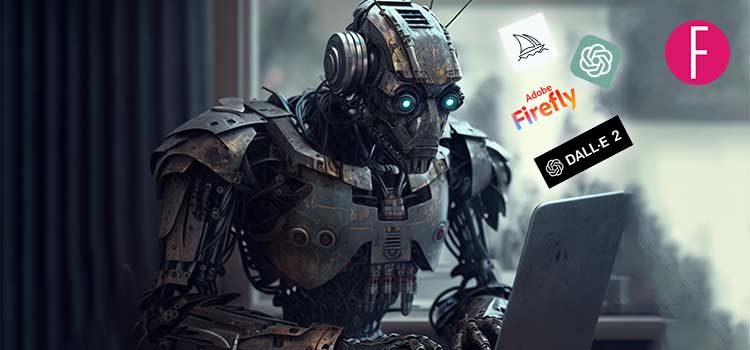
The year 2023 has seen a sharp rise in AI, thanks to Chat Gpt 4, which has been creating turbulent waves in the field. Artificial Intelligence (AI) is a computer science that designs and builds machines to perform human-like cognitive tasks, such as driving a car, translating languages, recognizing faces and more. AI can also mimick human emotions and reactions.
AI has become ubiquitous in our daily lives through virtual assistants like Siri, Alexa, Google Maps, Google Translate and even self-driving cars like Tesla. The use of AI in manufacturing, healthcare, and other industries has been prevalent since the 1950s, and it continues to now seep into a multitude of job sectors, potentially replacing human workers.
Birth Of AI
The concept of AI originated from the question, “Can Machines Think?” posed by mathematician and computer scientist Alan Mathison Turing, whose paper is regarded as the birth of AI.
Strides For Healthcare
AI has made significant strides in the healthcare sector, such as the development of CADU, an AI-based tool that detects early signs of esophageal cancers by analyzing images of the inside of a patient’s esophagus. AI has also contributed to the early diagnoses of COVID and apparently had given warnings of an outbreak prior to COVID 19.
The Godfather Of AI
However, there are concerns about the potential dangers of AI. Geoffrey Hinton, known as the “Godfather of AI,” who worked at Google on machine learning algorithms for over a decade, recently resigned to speak more openly about the risks associated with AI. Hinton has warned about the “existential risk” of machines becoming more intelligent than humans, the possibility of AI-generated fake media leading to an inability to discern truth, and the replacement of human jobs with AI.
The fear of AI is highly prevalent with calls around the globe to halt the technology or regulate the use of AI. The fear is in regard to the below:
Job Displacement
One of the biggest fears surrounding AI is that it will replace human workers, leading to job losses and increased unemployment. Many publishing platforms including BuzzFeed was the first to announce Using ChatGPT Creator OpenAI to Help Create Quizzes and Other Content for its readers.
Detrimental To Education
Students are geared to lose their sense of creativity and effort into penning their thoughts. But then, others argue that Open AI will merely provide a launch point for content whereby creative human minds will rewrite the final document.
Lack of Control
There is a fear that AI systems may become too powerful and uncontrollable, leading to unintended consequences.
Security and Privacy
As AI systems become more advanced and ubiquitous, there is a concern about how they will impact our privacy and security. While these concerns are valid, we hope it is regulated because AI has the potential to solve some of the world’s most significant challenges, such as climate change, disease and poverty.
AI is here to stay
In conclusion, while there’s no turning back the tide of technology, given its multiple uses and advancement in our daily lives, we cannot be ignorant of the reason to exercise caution.
There are valid reasons for people to fear Artificial Intelligence, it’s essential to approach this issue with a balanced perspective.
The most recent warning came from Apple co founder Steve Wozniak.
The Apple co-founder says AI may make scams harder to spot
Speaking to the BBC, he said AI content should be clearly labelled, and regulation was needed for the sector.
By acknowledging the risks and challenges associated with AI, we can work to develop ethical AI systems that benefit society and reduce the risks of the consequences.
Resources: Formica, The Guardian, Murray State University

