

When FIFA announced the expansion of the World Cup to 48 teams, the backlash arrived almost immediately. Critics argued that the tournament would become bloated, group stages would be filled with mismatches, and smaller nations would simply provide easy victories for the established powers. The fear was that football’s biggest stage would lose some of its competitive edge in exchange for inclusivity.
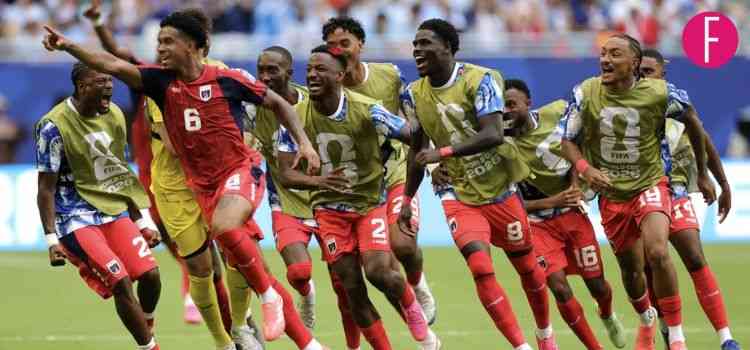
A few weeks into the 2026 World Cup, that prediction looks spectacularly wrong.
If anything, the teams creating the tournament’s most memorable moments are not the usual favourites. They are the nations many people barely discussed before kick-off. They are the countries that arrived without superstar squads, billion-dollar leagues or generations of World Cup pedigree. And yet, while some traditional powers have struggled to justify their reputations, these so-called underdogs have turned the tournament into something far more unpredictable, emotional and entertaining than many expected.
The biggest surprise is not that these teams are competing. It is how comfortable they look doing it.
Cape Verde, Curaçao And The Death Of The “Minnow” Label
Nothing captures the spirit of this World Cup better than Cape Verde.
For most casual football fans, the African island nation barely registered before the tournament began. Their World Cup debut was expected to be a learning experience rather than a serious challenge to anyone. Instead, they walked into their opening match against European champions Spain and left with a point after a remarkable goalless draw (shoutout to the defense and their goalkeeper Vozinha). If that result felt like a one-off, their thrilling 2-2 draw against Uruguay removed any remaining doubts.
What makes Cape Verde’s story so compelling is that they have not survived through luck or defensive desperation. They have played with confidence, personality and a belief that they belong at this level. Suddenly, a team that arrived as outsiders has become one of the tournament’s most widely supported sides.
Curaçao has produced a similarly powerful story. The smallest nation ever to appear at a World Cup endured a brutal introduction against Germany but refused to let that result define them. Their goalless draw against Ecuador may not look spectacular on paper, but anyone who watched the match understands why it became one of the tournament’s most celebrated moments. Goalkeeper Eloy Room produced the performance of his life as Curaçao earned the first World Cup point in the country’s history. For nations accustomed to measuring success through trophies, a draw may seem insignificant. For Curaçao, it felt monumental.
Historic Moments For Nations That Have Waited Decades
One of the most beautiful things about football is that history does not always belong to the champions.
Egypt’s victory at this World Cup carried emotional weight far beyond the three points it delivered. Despite being one of Africa’s most recognisable football nations and producing global stars such as Mohamed Salah, Egypt had never previously won a World Cup match. Ninety-two years after their first appearance on the tournament stage, that statistic finally disappeared.
Elsewhere, DR Congo earned the first World Cup point in their history after holding Portugal to a draw. Uzbekistan, meanwhile, became the first Central Asian nation ever to play at a FIFA World Cup. Even though their debut ended in defeat, the significance of simply reaching this stage cannot be overstated. Entire generations of supporters waited to witness that moment.
Iran also reminded everyone that World Cup stories are not always written through goals and victories. Firstly, them being there is huge. Taking a flight before and after the match due to restriction is commendable. Their draw against Belgium became memorable not only because of the result but because of the human story surrounding the team. In a tournament often dominated by narratives about superstars and title contenders, Iran’s journey offered a reminder that football remains deeply connected to identity, pride and representation.
The Real Winners Of The Expanded World Cup
The irony is impossible to ignore. The expansion to 48 teams was supposed to dilute the tournament. Instead, it may have strengthened it.
These performances are proving that football’s development is no longer confined to a handful of traditional powers. Coaching standards have improved. Domestic structures have matured. Players from emerging football nations are increasingly competing across Europe’s major leagues. The gap still exists, but it is nowhere near as wide as many people assumed.
That is why the underdog stories of 2026 feel different from the romantic surprises of previous tournaments. These teams are not merely producing isolated shocks. They are demonstrating genuine quality. And perhaps that is the most fascinating takeaway from this World Cup. The biggest nations arrived expecting to dominate. The smaller nations arrived determined to belong.
So far, they have done far more than that. They have stolen the spotlight, rewritten expectations and transformed what many feared would be a diluted tournament into one of the most unpredictable World Cups in recent memory.
Sources: FIFA, ESPN, Mashable

