

On September 17, 2024, a coordinated attack involving pagers used by Hezbollah members caused widespread explosions across Lebanon, resulting in at least nine deaths and injuries to nearly 3,000 people.
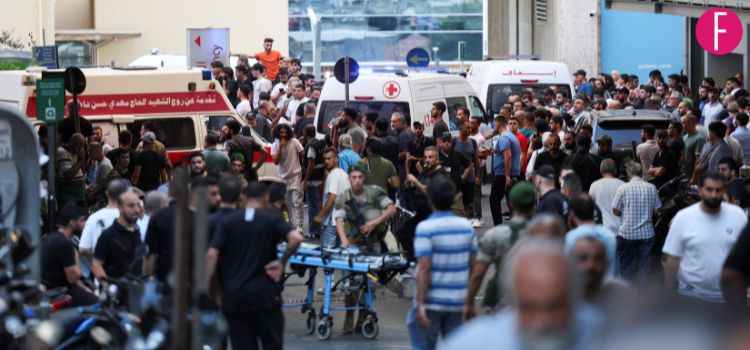
The blasts targeted Hezbollah fighters and medics in strongholds such as Beirut’s southern suburbs (Dahiyeh) and the Bekaa Valley. The detonations started around 3:30 p.m. local time and lasted about an hour, with reports of explosions continuing until 4:30 p.m.
Witnesses described scenes of confusion and chaos, as people reported hearing what sounded like fireworks or gunshots. Footage reviewed by security forces showed victims checking their pagers just before the devices exploded, suggesting that the blasts were triggered by incoming messages. In some cases, victims raised the pagers to their faces before the detonations occurred, causing severe injuries, particularly to the hands and face.
The exact cause of the explosions remains unclear, but experts have speculated that the attack might have been a sophisticated supply chain infiltration, where the pagers were tampered with before reaching Lebanon. While supply chain attacks are more common in the cyber world, hardware-based attacks like this one are rare and require significant planning and resources. Lebanese authorities, along with Hezbollah, have pointed fingers at Israel for the incident. However, Israel has not made an official statement on the matter, and no group has claimed responsibility for the attack.
Among the victims were two sons of Hezbollah MPs and Iran’s ambassador to Lebanon, who sustained minor injuries. The explosions primarily affected Hezbollah members, but civilians, including healthcare workers and children, were also among the injured. Hospitals across Lebanon were overwhelmed with the influx of casualties, with medical staff reporting an unusual number of hand and facial injuries due to the close proximity of the victims to the exploding pagers.
The blasts also extended beyond Lebanon, with reports of 14 people injured in neighboring Syria. This added an international dimension to the attack, further fueling speculation that a larger, more coordinated operation was in play.
Many experts believe this attack represents an unprecedented breach of Hezbollah’s security, which prides itself on tightly controlled communication channels. As of now, no group has officially taken responsibility for the blasts.
There is fear that these attacks might indicate a step up in hostilities within the region. The Lebanese group has vowed to retaliate against the attacks for which it holds Israel “fully responsible.”
In the past 24 hours, it is alleged that Israel has killed at least 20 Palestinians, according to the Palestinian Health Ministry.
This is a developing story.
News Sources: BBC, Reuters, Al Jazeera, and Dawn

