

We’ve all been there, rooting for the underdog to find love and redemption. But what happens when that love turns toxic? Jafaa forces us to question the limits of loyalty and the dangers of the “fix-him” mentality.
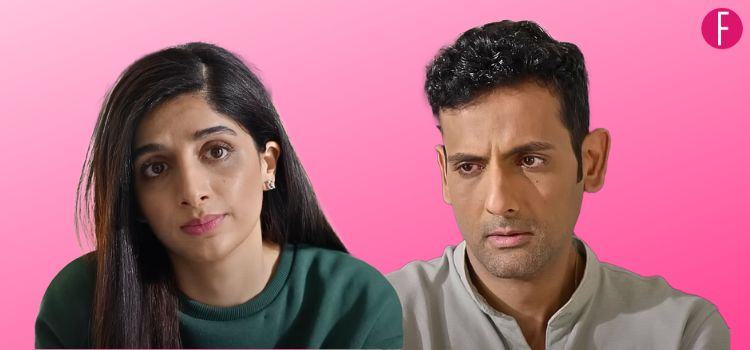
Zara’s unwavering belief in her ability to “fix” Hassan in Jafaa is a narrative we’ve seen played out countless times on our screens. This familiar trope often portrays love as a magical elixir capable of curing all wounds, including the complexities of mental illness. While the idea of a devoted partner saving their loved one from the depths of despair is undeniably romantic, it’s essential to examine the reality of such situations. Can love truly overcome deep-rooted psychological challenges, or does it set unrealistic expectations for both partners?
“I Can Fix Him” Myth
Zara’s character embodies the classic “I can fix him” trope, a well-intentioned but often misguided approach to relationships. Her unwavering belief in Hassan’s potential for change is evident in her persistent efforts to understand and accommodate his behavior. However, this desire to be his savior might come at a significant cost to her own emotional & physical well-being, possibly making her a victim of domestic violence. While it’s commendable to support a loved one through challenges, assuming the role of a therapist without proper training can create an unhealthy dynamic.
Beyond The Surface: Red Flag Dynamics
The relationship between Zara and Hassan is far from healthy. Hassan’s controlling behavior, as seen in his constant monitoring of Zara’s activities and restricting her independence, is a clear red flag. His verbal aggression, which has escalated over time, is a blatant violation of Zara’s personal boundaries. Moreover, Hassan’s emotional manipulation, such as gaslighting and blaming Zara for his outbursts, creates a toxic environment where she feels trapped and powerless. While the drama hints at underlying mental health issues, it’s crucial to emphasize that these behaviors are not solely a result of illness or past traumas. Abuse is a choice, and it’s essential to hold perpetrators accountable for their actions, regardless of any underlying conditions.
Burden Of Responsibility & Guilt
The drama’s portrayal of Hassan’s family placing the onus of his “healing” solely on Zara is a disturbing reflection of societal norms. It’s a pervasive belief that women are equipped with an innate ability to nurture and repair, making them the default caregivers for troubled men. This narrative not only undermines the complexities of mental health but also disregards the potential harm to the caregiver. Zara, a successful gynaecologist, is presented as the ideal caretaker due to her perceived emotional strength and dedication. However, her professional expertise lies in a completely different field, highlighting the unrealistic expectation placed upon her to address Hassan’s psychological struggles without adequate training or support.
Need For Professional Help
It’s imperative to emphasize that mental health is a complex issue requiring professional intervention. While Zara’s love and support for Hassan are evident in the drama Jafaa, it’s crucial to recognize the limitations of her role. Her care and support cannot replace the expertise of a mental health professional. Hassan’s journey towards healing might necessitate a comprehensive approach that includes therapy, medication, and potentially other specialized treatments. Additionally, Zara’s well-being should be a priority. She might need therapy and counselling herself to deal with a mentally ill spouse.
Breaking Free From The Cycle
Hassan’s Dadi with her manipulation, evident in her constant reinforcement of traditional gender roles and her dismissal of Zara’s concerns, further complicates the situation. By gaslighting Zara, e.g. telling her to listen to Hassan about not seeing Deebu, the one thing her asked her, or advising Zara to spend more time with him, undermines her confidence. She then unfolds Hassan’s past childhood traumas and relationship with his mother in an emotionally blackmailing way.
Zara feels emotionally trapped in the relationship now, the burden of guilt weighing heavy on her shoulders. She is made to feel the emotionally stronger partner, and Hassan, the spouse who needs to be taken care of for life. The portrayal of Hassan and Zara’s relationship in Jafaa is a stark reminder of the complexities of domestic violence and mental health. The drama effectively highlights the blurred lines between love, control, and abuse, making it difficult for viewers to easily categorize the characters as simply “villain” and “victim.” Zara is essentially, an empowered woman who seems to be capable, emotionally and mentally, to take on bigger challenges. But does that mean she should be pushed into the “fix him’ role, not really hers to begin with?
Jafaa is still airing on HUM TV, into its 12th Episode, Zara’s journey continues and hopefully, many of the red flags noted in this article might be answered as the story progresses.
Catch Up More On Drama Gup With FUCHSIA
Jafaa is written by Samira Fazal and directed by Danish Nawaz. It is produced by Momina Duraid Productions. The cast features Mawra Hocane, Usman Mukhtar, Sehar Khan, Mohib Mirza, Zarrar Khan, Farah Sadia, Nadia Afgan, and others. The drama airs every Friday at 8 pm on HUM TV.

