

President Donald Trump’s decision to reject Iran’s latest peace proposal has once again highlighted how far apart Washington and Tehran remain, even as mediated diplomacy continues through regional channels, including backchannel discussions facilitated via Pakistan and reported diplomatic engagements linked to Islamabad aimed at preventing a full collapse of negotiations.
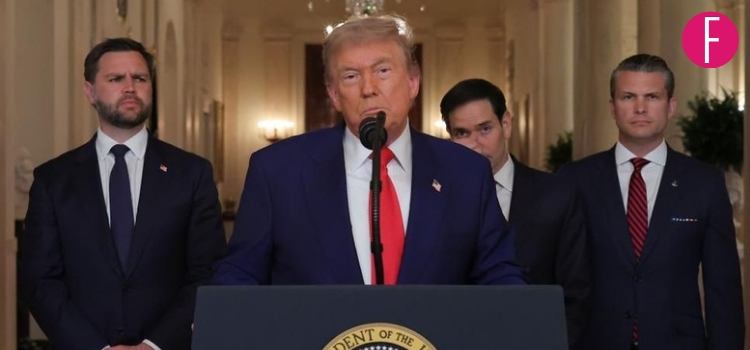
While both sides still publicly express a willingness to avoid prolonged conflict, the substance of their proposals shows fundamentally different expectations about how any settlement should begin and what concessions should come first.
The United States, under Trump’s current position, has built its negotiating framework around a strict non-proliferation demand, insisting that Iran must not retain the capacity to enrich uranium at levels that could bring it closer to weapons-grade material. In practical terms, the US proposal calls for zero enrichment, the removal or transfer of Iran’s highly enriched uranium under international supervision, and a verifiable rollback of nuclear infrastructure that Washington believes could shorten the pathway to weaponisation. Alongside these nuclear conditions, the US has tied any easing of sanctions and financial restrictions to broader regional behaviour, including maritime security in the Strait of Hormuz and limits on Iran’s influence through allied groups in the Middle East.
Iran’s response, delivered through mediators including Pakistan, reflects a very different sequencing of priorities. Tehran has argued that any meaningful agreement must begin with an immediate end to hostilities and the lifting of economic pressure, particularly sanctions that have heavily impacted its oil exports and access to frozen assets. Iranian officials have also pushed for recognition of what they describe as sovereign rights over critical maritime routes, including the Strait of Hormuz, which remains one of the world’s most important energy corridors. Instead of accepting a full halt to enrichment, Iran has signalled willingness to discuss temporary limits or adjustments, but not permanent dismantlement of its nuclear programme, which it continues to maintain is for civilian energy purposes.
According to Trump, the core issue remains unchanged: preventing Iran from acquiring nuclear weapons capability. He has repeatedly framed the negotiations in simplified terms, arguing that any deal that does not fully eliminate enrichment capacity is insufficient. Trump has also pointed to what he sees as inconsistencies in Iran’s written commitments versus earlier verbal understandings, portraying this as a major obstacle to trust between both sides.
Iran maintains that its counteroffer is both practical and regionally responsible. Iranian officials argue that they are not only defending national sovereignty but also attempting to create a broader framework for stability that includes maritime security, regional de-escalation, and economic normalisation. They have also emphasised the impact of sanctions and blockades on the Iranian economy, framing relief from these measures as essential to any long-term diplomatic agreement. In their view, the US approach places disproportionate pressure on Iran while offering phased and conditional relief that may not be guaranteed.
The diplomatic process itself has become increasingly dependent on third-party mediation, with Pakistan playing a great role in paving the way for proposals and maintaining communication lines, providing space for the peace talks, while other regional actors are also quietly involved in trying to prevent escalation. These peace talks, including those linked to diplomatic coordination in Islamabad, reflect a broader concern among regional states that continued deadlock could further destabilise energy routes and increase tensions across the Middle East.
Despite this, the negotiations remain fragile, with no agreed timeline or unified framework for the next round of talks.
The broader geopolitical context has also added pressure to the situation especially Rising tensions in the Strait of Hormuz, concerns over global oil prices, and ongoing regional conflicts have all contributed to a more complex negotiating environment. While the US continues to emphasise deterrence and enforcement, Iran continues to stress sovereignty and economic survival, leaving both sides anchored to positions that are difficult to reconcile without significant compromise.
At this stage, neither side appears ready to fully shift its core demands, even as both continue to signal that diplomacy remains preferable to escalation. The result is a stalled process where communication still exists, mediated channels remain active, but the political space for agreement is narrowing unless one or both parties adjust their expectations in a more flexible direction.
Sources: Guardian, Al-Jazeera, NBC, CNN


Comments 1